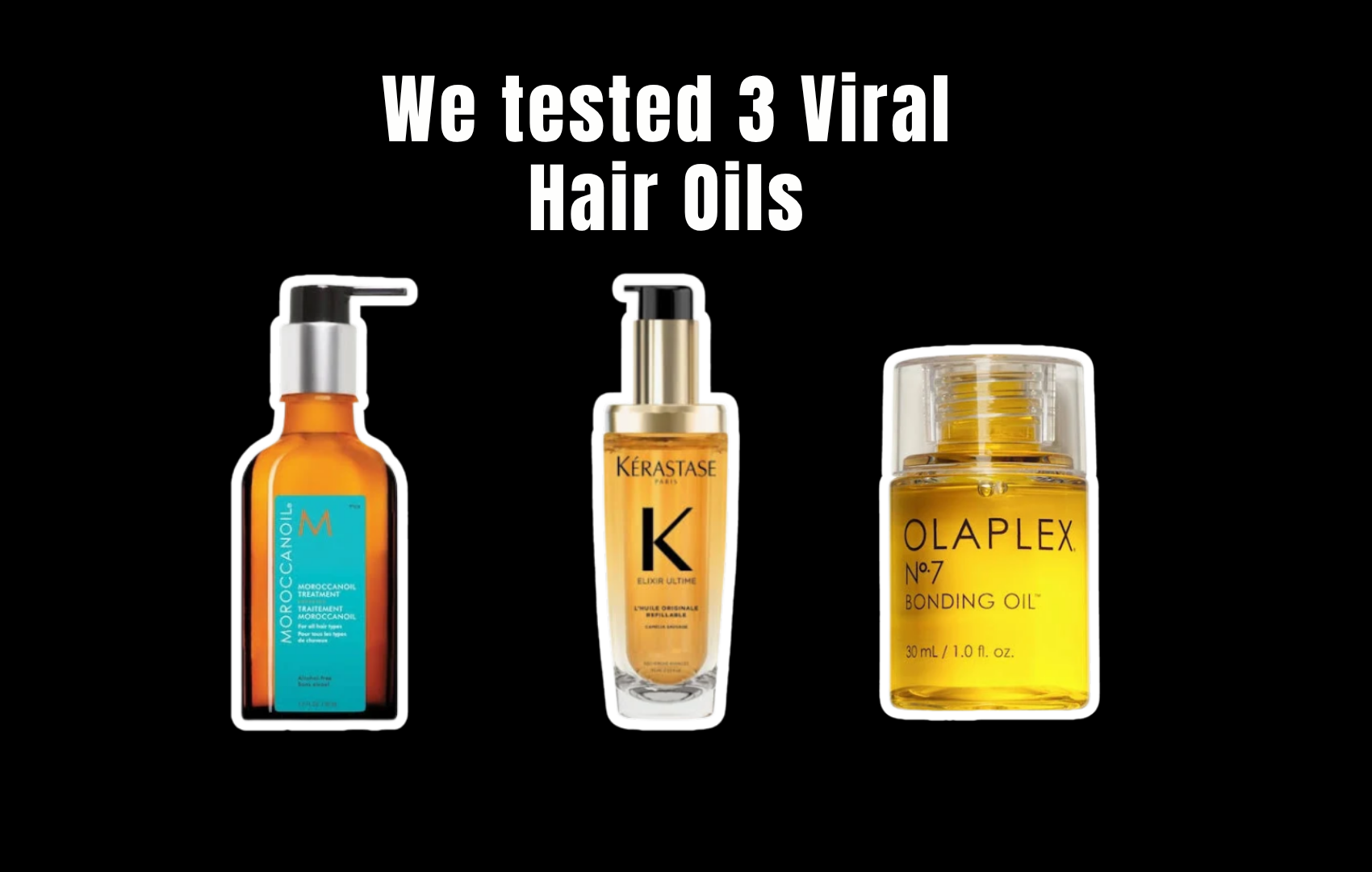
Hair oil is having a moment. Every other post on my feed is someone holding a dropper bottle over their ends, promising glass-hair shine and frizz that simply doesn't exist anymore. I've seen the same three oils — Moroccanoil, The Ordinary, and Olaplex No.7 — recommended so many times I started to wonder if anyone had actually read the ingredient list.
So I did. Then I wore each one for a week. Here's what I found — and what the brands are very carefully not saying out loud.
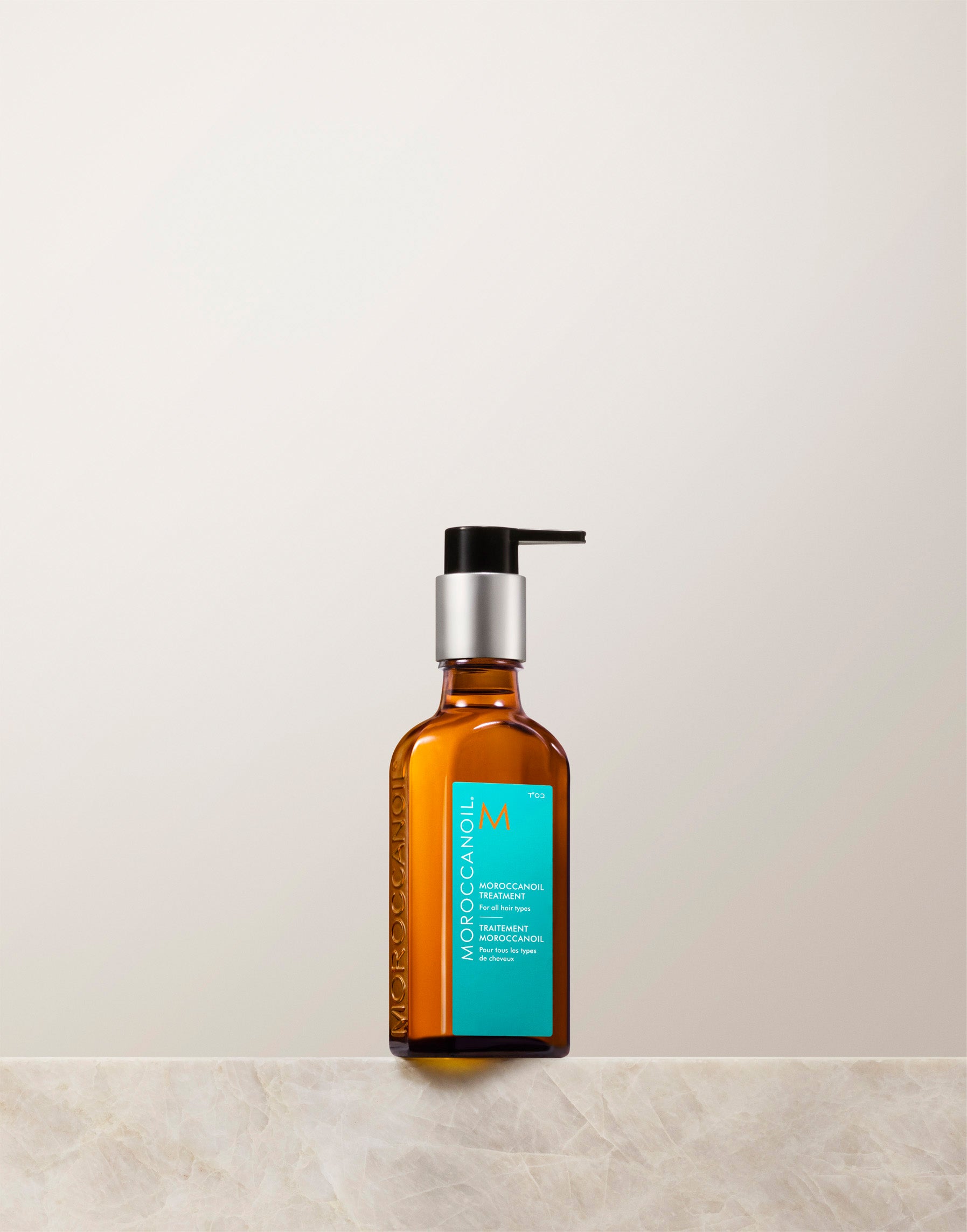
Moroccanoil Treatment
Verdict: Great Shine, Misleading NameThe name says "argan oil." The marketing says argan oil. The bottle has an argan tree on it. But argan oil is the fourth ingredient — behind cyclopentasiloxane, dimethicone, and cyclomethicone. Three silicones before you get to the thing the product is named after.
That's not a minor detail. Silicones coat the hair shaft and create the appearance of smoothness without actually penetrating or nourishing anything. They also build up over time, which is why a lot of people who use Moroccanoil regularly find their hair gets heavier and duller after a few months. The shine you're seeing is a coating, not a condition.
The product works — I'll give it that. My hair looked genuinely good for the first three days. But "argan oil treatment" implies the argan oil is doing the work. It isn't. The silicones are. And that distinction matters if you're buying this because you think you're nourishing your hair.
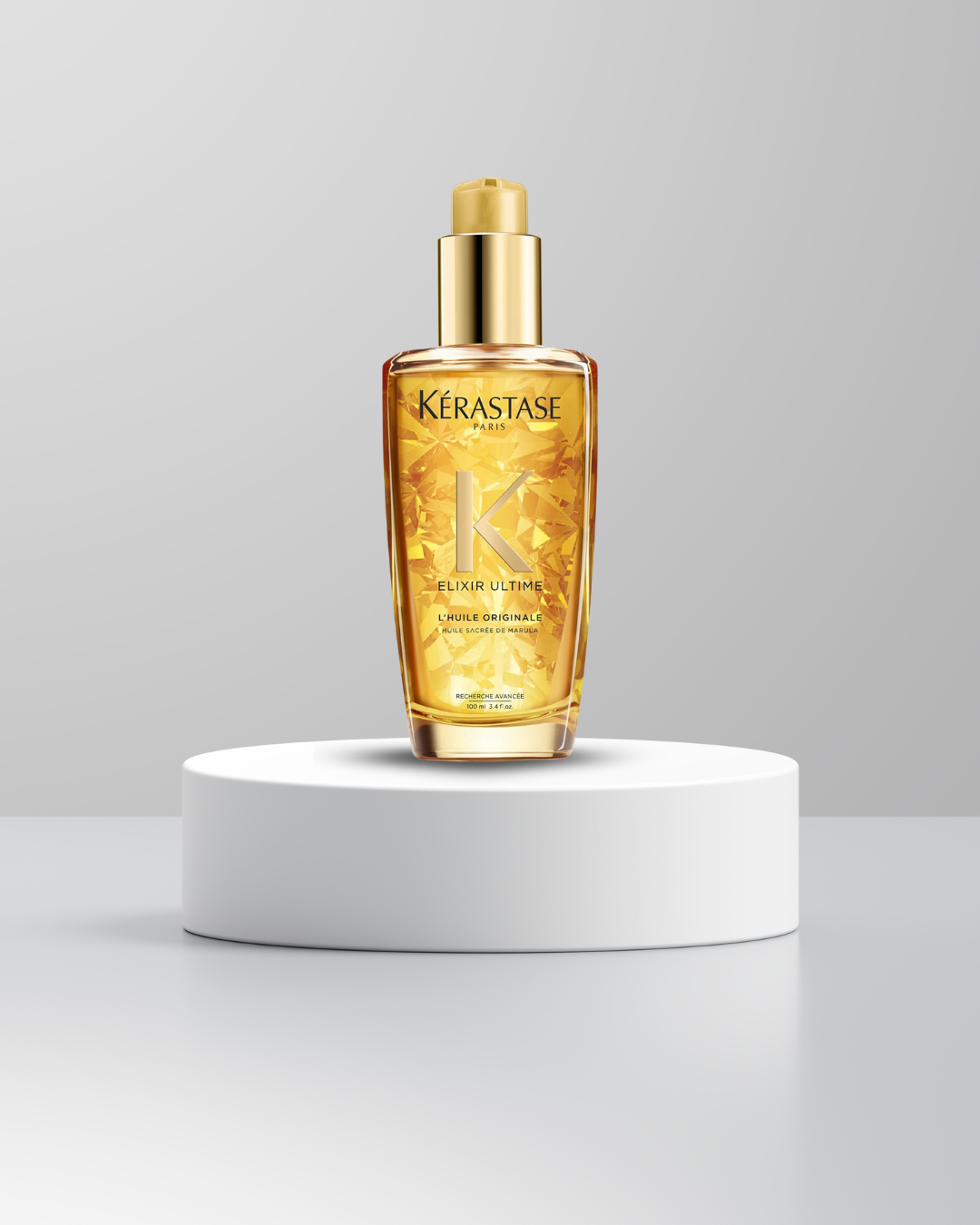
Kérastase Elixir Ultime L'Huile Originale
Verdict: Luxurious Packaging, Familiar FormulaKérastase positions this as a premium, multi-oil treatment — four "precious oils" including argan, maize, camellia, and pracaxi. The marketing is beautiful. The bottle is beautiful. The scent is genuinely lovely. But the first two ingredients are cyclopentasiloxane and dimethicone. The four precious oils appear well down the list, after several more silicones and conditioning agents.
At $62 for 100ml, you are paying a significant premium for a formula that is structurally very similar to products costing a third of the price. The silicones do create a beautiful finish — my hair looked glossy and felt smooth for days. But the "nourishing" claim implies penetration and conditioning that silicone-dominant formulas simply cannot deliver. They coat. They don't nourish.
If you love the ritual of it — the scent, the texture, the experience — that's a legitimate reason to buy it. But go in knowing what you're actually paying for.
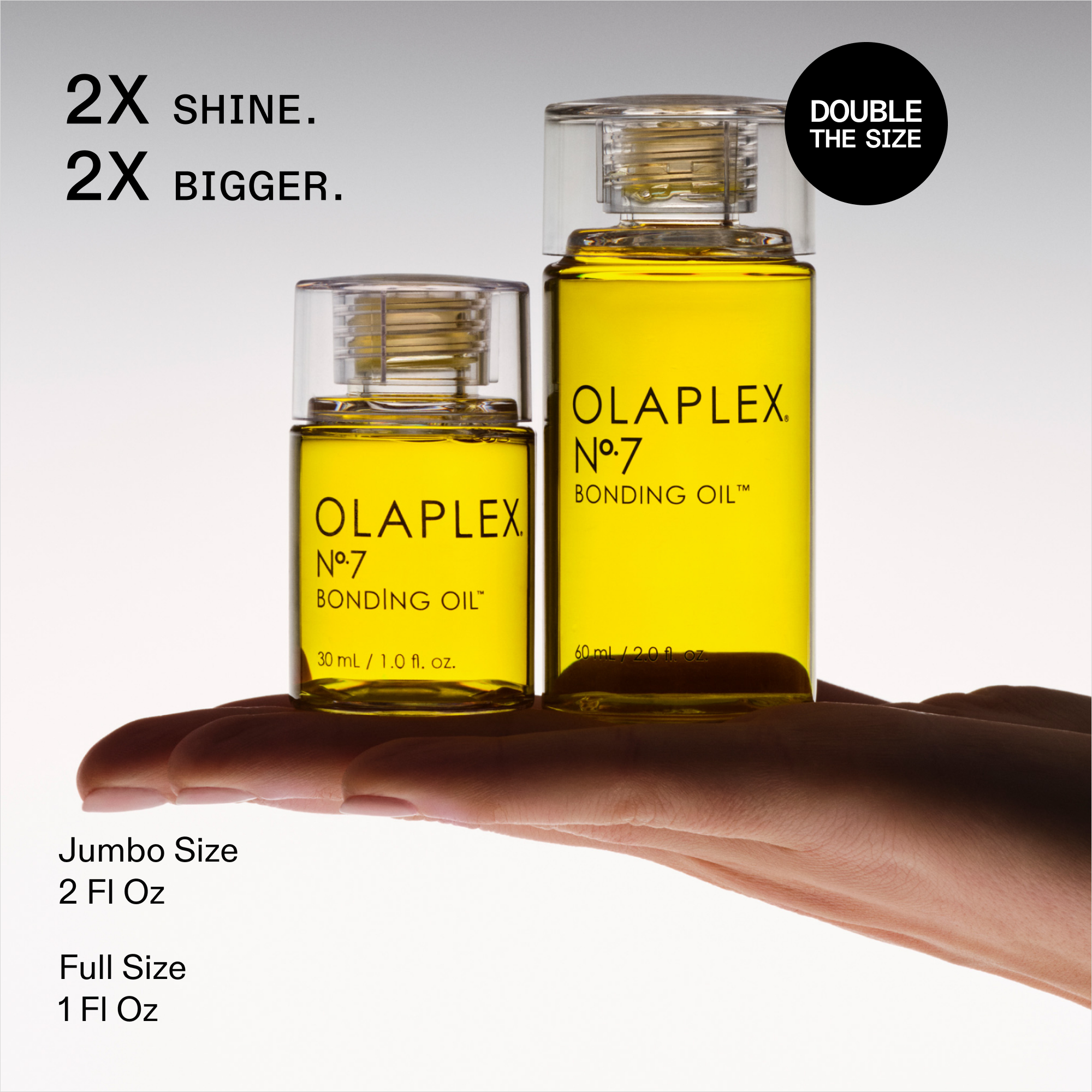
Olaplex No.7 Bonding Oil
Verdict: The Bond Repair Claim Needs ContextOlaplex built its reputation on bond repair chemistry — specifically bis-aminopropyl diglycol dimaleate, the patented ingredient in their salon treatments. No.7 does contain it. But it's listed near the bottom of the ingredient list, which means it's present in a very small concentration. The heavy lifting in this formula is done by — you guessed it — silicones and conditioning agents.
The "heat protection up to 450°F" claim is the one I'd push back on hardest. That claim is based on internal testing, the methodology for which Olaplex has not published. I've seen no independent study confirming that level of protection. At 450°F — the temperature of most flat irons on their highest setting — you want a dedicated heat protectant, not a finishing oil.
That said, my hair felt noticeably softer after a week of use, and I did see less frizz. The formula is genuinely pleasant to use. But the bond repair marketing implies a level of structural correction that a finishing oil applied to dry hair cannot realistically deliver. The bond repair happens in the wash-in treatments. This is a styling product with a bond repair story attached to it.
What the Ingredient Lists Actually Tell You
All three of these oils are dominated by silicones or silicone-adjacent ingredients. That's not inherently bad — silicones are safe, effective at creating shine and smoothness, and widely used in professional formulas. The problem is the marketing language that implies something more: nourishment, repair, transformation.
"Nourishing" is not a regulated term. Neither is "strengthening" or "bond repair" when used on a product label. Brands can use these words without clinical evidence. Moroccanoil, Kérastase, and Olaplex all make claims that go beyond what their formulas can realistically deliver — and none of them are upfront about the silicone concentration that's doing most of the work.
Read the ingredient list. The first five ingredients are almost always 90% of what's in the bottle.