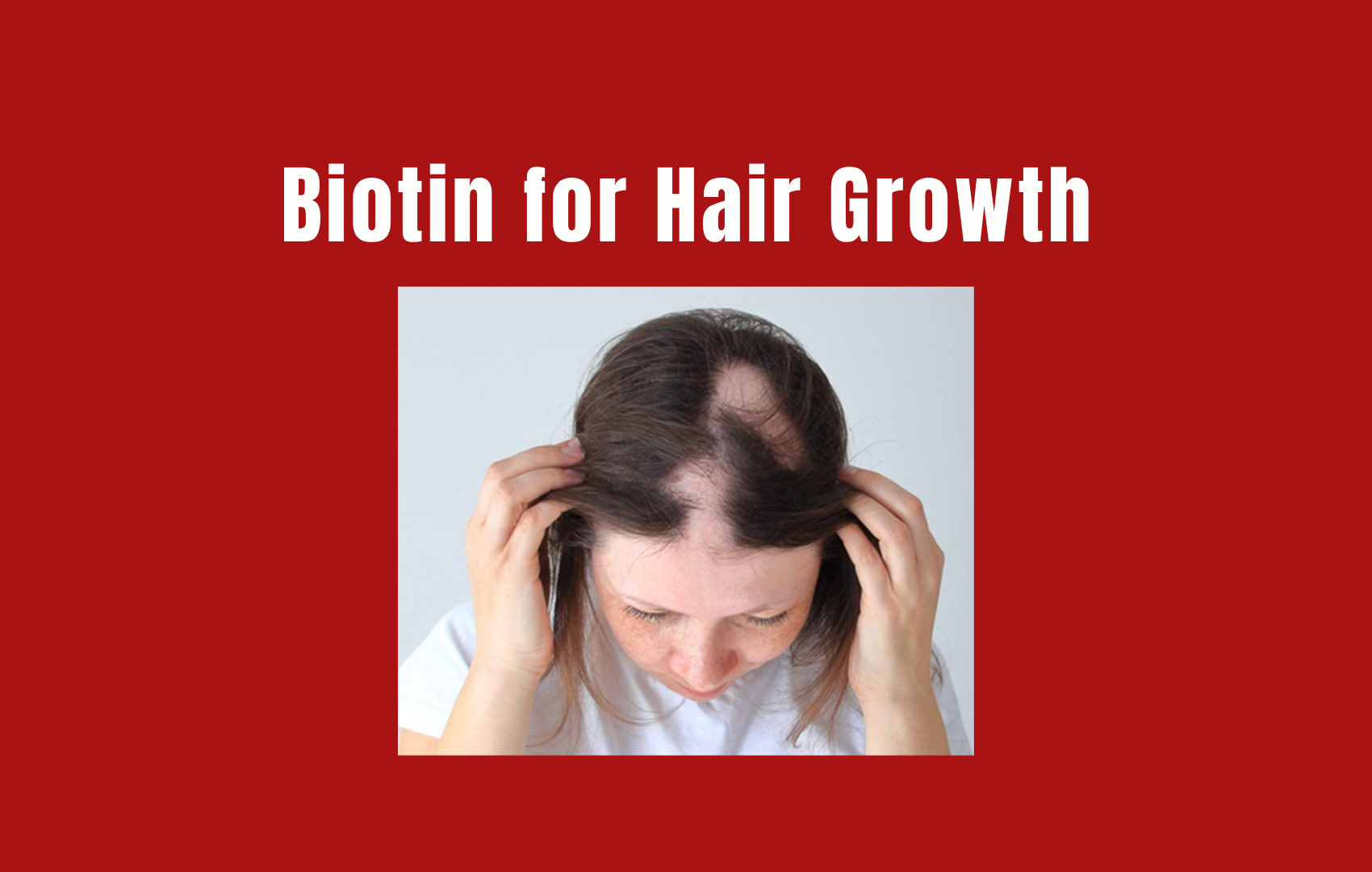
Biotin is everywhere. It's in the supplements aisle, in shampoos, in gummies shaped like bears, in every "hair growth" product that's gone viral in the last five years. The market for biotin supplements alone is worth billions. The clinical evidence supporting routine use for hair growth in healthy adults is, to put it plainly, almost nonexistent.
That gap — between what the marketing says and what the research shows — is exactly the kind of thing nobody in the supplement industry wants you to look at too closely. So let's look at it.
What Biotin Actually Is
Biotin is vitamin B7, a water-soluble vitamin that plays a role in keratin infrastructure — the protein that makes up hair, skin, and nails. Your body uses it. It's a real nutrient. The question isn't whether biotin matters; it's whether supplementing it does anything for people who aren't deficient in it.
And here's the thing the supplement industry glosses over: biotin deficiency is rare. Genuinely rare. It occurs in people with certain genetic disorders, those on long-term antibiotic use, heavy alcohol consumption, or eating large amounts of raw egg whites (which block biotin absorption). For the vast majority of people buying biotin gummies at Target, deficiency is not the issue.
The Claims vs. The Evidence
Claim 1
"Biotin promotes hair growth"
Verdict: Only If You're DeficientThe studies that show biotin improving hair growth are almost exclusively conducted on people with diagnosed biotin deficiency or specific conditions like alopecia linked to nutritional deficiency. In those cases, yes — correcting a deficiency restores normal hair growth. That's not the same as supplementation causing growth in people who already have adequate levels.
A 2017 review in Skin Appendage Disorders examined all published evidence on biotin and hair loss. Of the 18 reported cases where biotin supplementation improved hair growth, every single one involved an underlying condition causing deficiency. There is no robust clinical trial showing biotin supplementation increases hair growth in healthy, non-deficient adults.
Claim 2
"High-dose biotin is safe — it's just a vitamin"
Verdict: There's a Real Risk You're Not Being Told AboutHigh-dose biotin supplements — typically 5,000–10,000 mcg, which is what most "hair growth" products contain — can interfere with thyroid function tests, troponin tests (used to diagnose heart attacks), and other hormone assays. The FDA issued a safety communication about this in 2017 after reports of incorrect test results in patients taking high-dose biotin.
If you're taking a high-dose biotin supplement and you get bloodwork done, your doctor needs to know. Biotin interference has led to falsely low troponin results — meaning a heart attack could be missed. This is not a theoretical risk. It has happened.
Claim 3
"Biotin in shampoo strengthens hair"
Verdict: Topical Biotin Does NothingBiotin is a water-soluble vitamin. It cannot penetrate the hair shaft when applied topically. The hair strand is dead tissue — it has no blood supply, no active transport mechanism, no way to absorb a vitamin from a shampoo. Any biotin listed in a shampoo or conditioner is there for the label, not for your hair.
This is one of the most straightforward cases of ingredient marketing in the beauty industry. The molecule is real. The mechanism of action via topical application simply doesn't exist.
Claim 4
"More biotin = more hair growth"
Verdict: That's Not How Vitamins WorkWater-soluble vitamins don't accumulate in the body the way fat-soluble vitamins do. If you already have adequate biotin levels, taking more doesn't create a surplus that gets redirected to hair follicles. Your body excretes what it doesn't need. The dose in most supplements — often 166 times the recommended daily intake — is not based on efficacy data. It's based on what sounds impressive on a label.
Why Hair Loss Is Rarely a Biotin Problem
Hair loss has many causes: androgenetic alopecia (genetic), telogen effluvium (stress, illness, hormonal shifts), iron deficiency, thyroid dysfunction, scalp conditions, and more. Biotin deficiency is at the bottom of that list for most people.
If you're experiencing significant hair loss, the useful steps are: get bloodwork done (iron, ferritin, thyroid panel, vitamin D), see a dermatologist, and address the actual cause. Buying a $30 bottle of biotin gummies is not a diagnostic process. It's a guess — and a profitable one for the brands selling it.
The supplement industry is not required to prove efficacy before selling a product. They're required not to make explicit disease claims. "Supports healthy hair" is not a disease claim. It's a structure/function claim, and it requires no clinical evidence to put on a label. That's the loophole the entire hair supplement category is built on.
What Actually Helps
If your hair loss is related to nutritional deficiency, the nutrients with the strongest evidence are iron (specifically ferritin), vitamin D, and zinc — not biotin. If it's androgenetic alopecia, minoxidil has decades of clinical evidence. If it's telogen effluvium from stress or illness, time and addressing the underlying cause are the intervention.
None of those are as easy to sell as a gummy vitamin. But they're what the evidence actually supports.