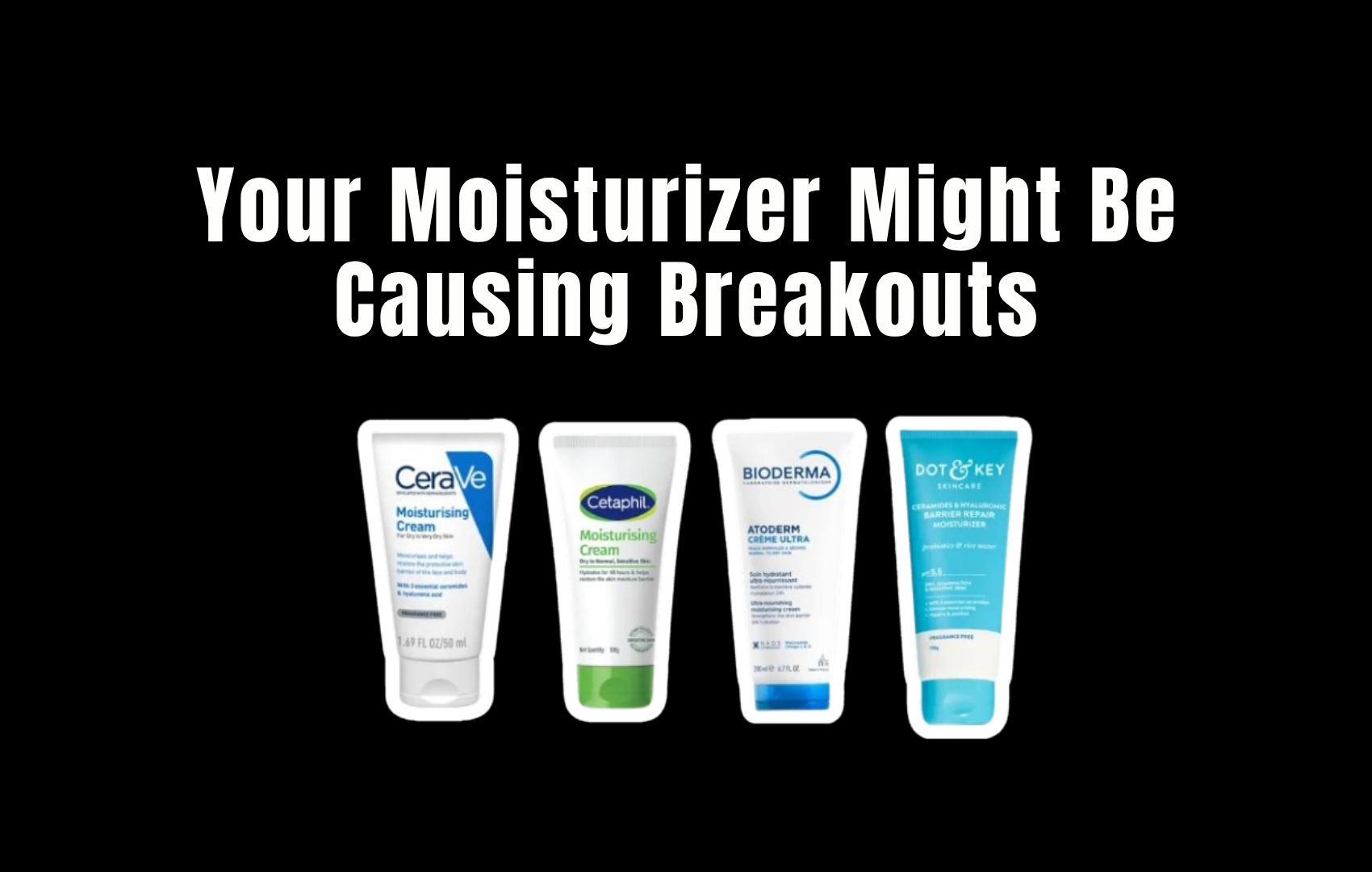
Somewhere between TikTok skin cycling, 10-step glass-skin routines, "barrier repair" hauls, and serum wardrobes arranged like emotional support objects, skincare became a part-time job.
Cleanser. Toner. Essence. Mist. Peptide serum. Vitamin C. Snail mucin. Exfoliating pads. Retinol. Barrier cream. Face oil. SPF. Then someone in the comments says you are doing it in the wrong order.
At some point, your face becomes less of a face and more of a product testing facility.
So I wanted to know the thing brands never want you to ask: how many steps do you actually need?
The answer is annoying because it is simple. Most dermatologists keep coming back to the same foundation: Cleanse. Treat. Moisturize/protect. Not because minimalism is trendier. Because the skin barrier does not care how aesthetic your shelf looks.
Fast Facts
- Most skin types can start with three basics: cleanse, treat, moisturize/protect.
- In the morning, sunscreen is the real non-negotiable.
- At night, treatment can mean retinoid, acne medication, exfoliant, antioxidant — or nothing at all if your skin is angry.
- Adding more products increases the chance of irritation, pilling, breakouts, and ingredient conflict.
- Expensive does not mean better. The AAD says a simple three-step approach can help keep skin healthy while reducing cost.
Are 10-Step Routines Really Necessary?
A shelf full of products is not a skincare routine. It is a collection. The two are not the same thing.
No. Useful for some people? Sure. Necessary for most people? Absolutely not.
A long routine can feel luxurious. It can also become a very expensive way to irritate your skin.
The American Academy of Dermatology recommends limiting face washing to twice daily and after sweating, using lukewarm water, applying cleanser with fingertips, avoiding scrubbing, and moisturizing if skin is dry or itchy. That is not exactly "apply six serums while your skin is damp under a full moon."
The problem with 10-step routines is not that every step is fake. The problem is that more steps create more chances for your skin to say: please stop.
Too many actives can cause dryness, stinging, redness, breakouts, peeling, barrier disruption, and "sensitive skin" that is actually overtreated skin. Brands call it a routine. Your skin may call it a hostile work environment.
The 3 Steps Dermatologists Come Back To
Step 1
Cleanse
Cleansing is not supposed to feel dramatic. If your cleanser makes your face feel tight, squeaky, shiny, or "deep cleaned" in a punishment way, that is not your pores being purified. That is your barrier filing a complaint.
A good cleanser should remove sweat, oil, sunscreen, makeup, pollution, and the day's general nonsense without leaving your skin feeling stripped.
What to look for: gentle, non-stripping cleanser; fragrance-free if sensitive; cream or lotion for dry skin; gel for oily or acne-prone skin.
What to avoid: daily scrubs, "pore detox" cleansers that leave skin tight, over-cleansing oily skin, using actives in every single step.
Step 2
Treat
This is the step everyone turns into chaos. Treat does not mean "apply every active you own." It means choose one focused product for the thing you are actually trying to improve.
Acne? Use an acne treatment. Dark spots? Use a pigment-focused active. Fine lines? Retinoid. Dullness? Maybe vitamin C or gentle exfoliation. Angry skin? The treatment step might be skipping treatment.
The key word is targeted. Not trendy. Not viral. Not "my friend's esthetician said." Targeted.
| Concern | Treatment Option | Reality Check |
|---|---|---|
| Acne | Benzoyl peroxide, salicylic acid, adapalene, prescription medication | Do not stack five acne actives and then wonder why your face burns. |
| Dark spots | Vitamin C, azelaic acid, niacinamide, retinoid, sunscreen | Pigment routines fail without daily SPF. |
| Fine lines | Retinoid or retinol | Start slowly. Peeling is not a personality trait. |
| Dryness | Glycerin, hyaluronic acid, ceramides, barrier cream | Hydration is not the same as exfoliation. |
| Redness | Niacinamide, azelaic acid, barrier support | Fragrance-heavy "calming" products are suspicious. |
Step 3
Moisturize and Protect
Moisturizer supports the skin barrier. It helps reduce water loss. Even oily skin may need it, especially if you are using acne treatments, retinoids, exfoliants, or harsh cleansers.
Sunscreen protects the work you are doing. Without sunscreen, your dark spot serum is basically running on a treadmill that is moving backward.
Morning
- Cleanse or rinse
- Treat (vitamin C or morning active, if using)
- Moisturizer, if needed
- Sunscreen SPF 30+, always
Night
- Cleanse
- Treat (retinoid, acne medication, or exfoliant)
- Moisturize
The Biggest Mistake: Adding Products Without a Reason
Skincare marketing trains people to shop by anxiety. Texture? Buy this. Pores? Buy this. Dullness? Buy this. Barrier? Buy this. Aging? Buy this immediately before your face expires.
But dermatologists usually think in problems and priorities.
That is the part that ruins half the beauty industry. Because a lot of products are not bad. They are just unnecessary.
What to Add Only If You Need It
If you have acne
- Gentle cleanser
- Acne treatment (benzoyl peroxide, salicylic acid, adapalene, or prescription)
- Moisturizer
- Sunscreen in the morning
Do not use every acne active at once. Your skin is not a crime scene.
If you have dark spots
- Sunscreen every morning — this is the treatment
- Vitamin C, azelaic acid, niacinamide, retinoid, or dermatologist-prescribed pigment treatment
- Patience — dark spots are stubborn
A brightening serum without SPF is just expensive optimism.
If you have dryness or barrier damage
Cut back. Use a gentle cleanser, a moisturizer with barrier-supporting ingredients (ceramides, fatty acids, glycerin), and sunscreen. No exfoliating acids until your skin stops acting haunted.
If you want anti-aging
- Sunscreen
- Retinoid or retinol
- Moisturizer
- Optional vitamin C
If you have sensitive skin
Do less. Look for fragrance-free products, fewer botanical extracts, fewer actives, fewer "tingly" products. Tingling is not proof it is working. Sometimes it is your skin asking who approved this meeting.
Red Flags in a Routine
- 🚩 You use more than two leave-on actives daily — your skin might tolerate it, or it might be quietly preparing a rebellion.
- 🚩 Your face burns after skincare — that is not glow. That is irritation.
- 🚩 You keep buying products to fix problems caused by other products — this is how a $40 toner becomes the emotional support animal for a $90 serum that damaged your barrier.
- 🚩 You copy someone else's exact routine — your skin type, climate, hormones, acne history, medications, budget, and tolerance matter.
- 🚩 You think moisturizer is only for dry skin — oily skin can be dehydrated. Acne treatments can be drying.
- 🚩 You skip sunscreen but own five dark spot serums — this is skincare self-sabotage in a glass bottle.
The Bottom Line
The 3-step skincare routine is not a downgrade. It is the foundation.
Cleanse. Treat. Moisturize/protect.
That is what most people need before they start adding extras. Not because serums are useless. Not because toner is illegal. Not because dermatologists hate fun.
Because your skin needs consistency more than complexity. The routine that works is not the one with the most steps. It is the one you can do every day without irritating your face, draining your bank account, or needing a spreadsheet to remember what night is exfoliation night.
Start simple. Add slowly. And if a product does not have a clear job, it is probably just furniture for your bathroom shelf.