Every other skincare launch now arrives wearing a little white coat.
Dermatologist-approved. Dermatologist-tested. Developed with dermatologists. Recommended by dermatologists.
It sounds clinical. It sounds regulated. It sounds like someone with years of medical training personally vetted the bottle sitting on your bathroom counter.
That is exactly why brands use it.
Because most consumers read "dermatologist-approved" as: this product has been meaningfully verified by medical experts.
What it often means is: a dermatologist was involved somewhere — and the brand gets to decide how much that's worth.
Why "Dermatologist-Approved" Is So Misleading

'Dermatologist-approved' can legally mean one paid consultation. There is no required number of dermatologists, no mandated study, no independent review.
There is no standard definition
"Dermatologist-approved" is not a regulated claim.
There is no universal threshold. No required number of dermatologists. No mandated study. No independent review panel.
A product can use that phrase if:
- one dermatologist reviewed the formula,
- a dermatologist consulted during development,
- a dermatologist is affiliated with the brand,
- or a dermatologist simply gave feedback at some point.
The phrase sounds like consensus. It can legally mean one opinion.
"Tested" is doing a lot of work
Consumers consistently confuse "tested" with "proven." They are not the same.
"Dermatologist-tested" only tells you a test occurred. It does not tell you:
- what was tested (irritation? wrinkles? acne?),
- how many people were included,
- how long the test lasted,
- whether results were positive,
- whether results were published,
- or whether the dermatologist was independent.
A product can be "tested" and still fail to perform in any meaningful way.
"Recommended" can be marketing, not consensus
"Dermatologist-recommended" sounds like a professional majority opinion. But unless methodology is disclosed, it could mean:
- a paid partnership,
- a small internal survey,
- advisory dermatologists affiliated with the brand,
- or a limited sample of clinicians.
A recommendation without context is not evidence. It is a persuasion tool.
What Brands Say vs. What It Actually Means
| Brand Claim | What You Think | What It Can Actually Mean |
|---|---|---|
| Dermatologist-approved | Experts verified it works | One dermatologist reviewed it |
| Dermatologist-tested | Proven effective | A test happened, outcome unclear |
| Dermatologist-recommended | Widely endorsed | Possibly paid or limited recommendation |
| Developed with dermatologists | Doctor-built formula | Consultant involvement at some stage |
| Medical-grade | Clinical strength | Marketing term, not FDA category |
The Loophole Brands Are Exploiting
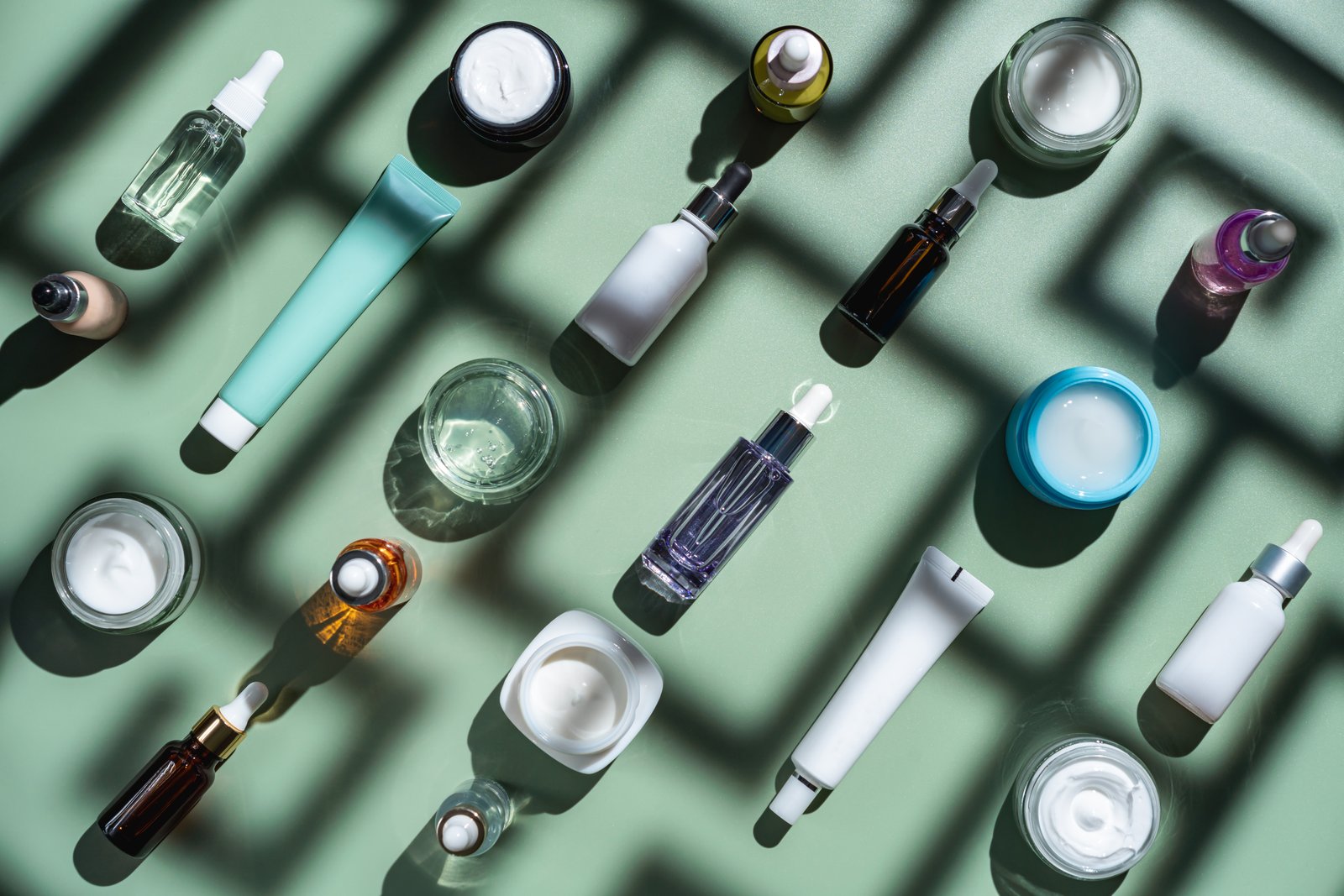
The FDA does not pre-approve cosmetic labeling. Brands only need to defend what a phrase could technically mean — not what consumers assume it means.
Here's the real issue.
The FDA requires cosmetic claims to be truthful and not misleading, but it does not pre-approve cosmetic labeling before products hit the market.
That creates a wide gray zone.
Brands don't need to prove what consumers assume a phrase means. They only need to defend what the phrase could technically mean.
That's the loophole.
"Dermatologist-approved" doesn't have to mean rigorous clinical validation. It just has to not be provably false.
The most common version of this
This is how it usually plays out:
- A brand works with one dermatologist (consulting, advisory, or paid).
- The dermatologist reviews the formula or contributes feedback.
- The brand markets the product as "dermatologist-approved."
Technically defensible. Practically misleading.
The product is not lying. But the consumer is being led to believe more than is actually being said.
What Real Evidence Would Look Like
If a claim is meaningful, it should come with answers. Not branding. Answers.
- Number of dermatologists involved
- Whether they were independent or paid
- What exactly they reviewed
- Whether clinical trials were conducted
- Study size, duration, and endpoints
- Published or accessible data
No data = no proof. No methodology = no context.
What You Should Actually Do
Treat "dermatologist-approved" as a soft signal
It's not useless — but it's not evidence.
Look past the front label
The real information is in the ingredient list, clinical data, study disclosures, and how specific the claims are.
Match the claim to the product
A moisturizer doesn't need the same proof as a pigment-correcting serum. But if a product claims visible results, the evidence should match that level of promise.
Remember: authority ≠ accuracy
A dermatologist can be credible. A marketing claim about a dermatologist is not the same thing.
The Bottom Line
"Dermatologist-approved" works because it compresses trust into two words.
It implies expertise without requiring transparency. It signals science without requiring proof.
Until brands are required to define what that claim actually means — who approved it, how many, under what conditions, and based on what evidence — the phrase will continue to do exactly what it was designed to do:
Sell credibility without having to show it.