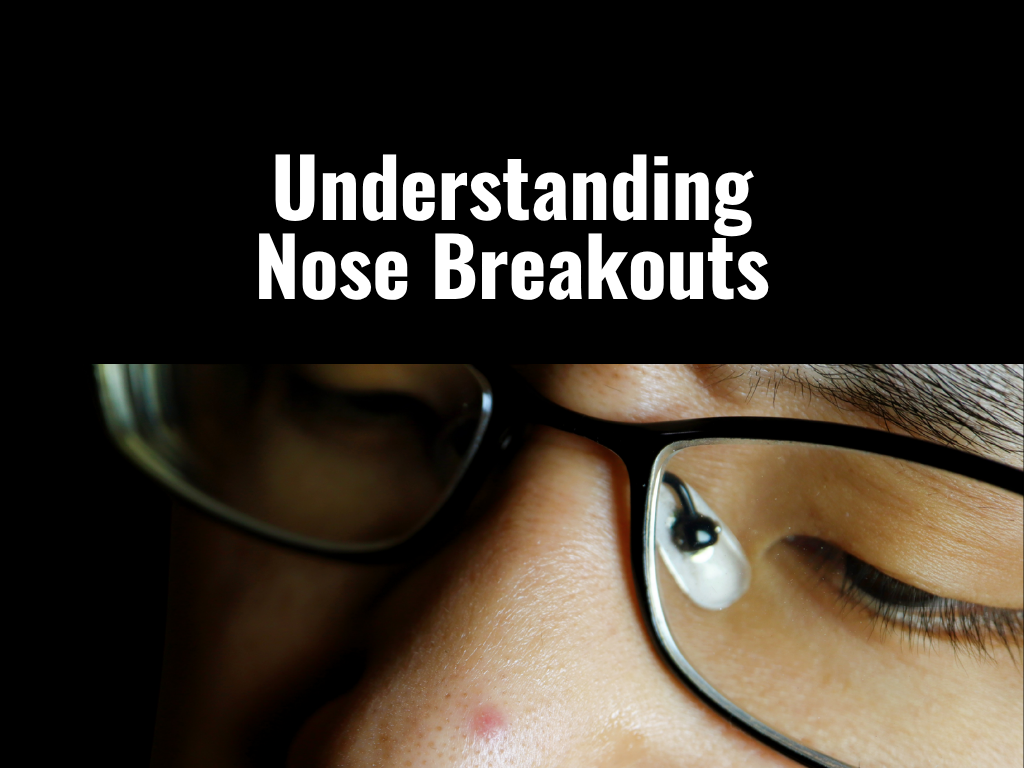
If you've been breaking out consistently and can't figure out why — you've cleaned up your diet, you're not touching your face, you switched to a gentle cleanser — there's a good chance your moisturizer is the problem. Not because moisturizer is bad. Because the specific ingredients in your moisturizer might be working against your skin type.
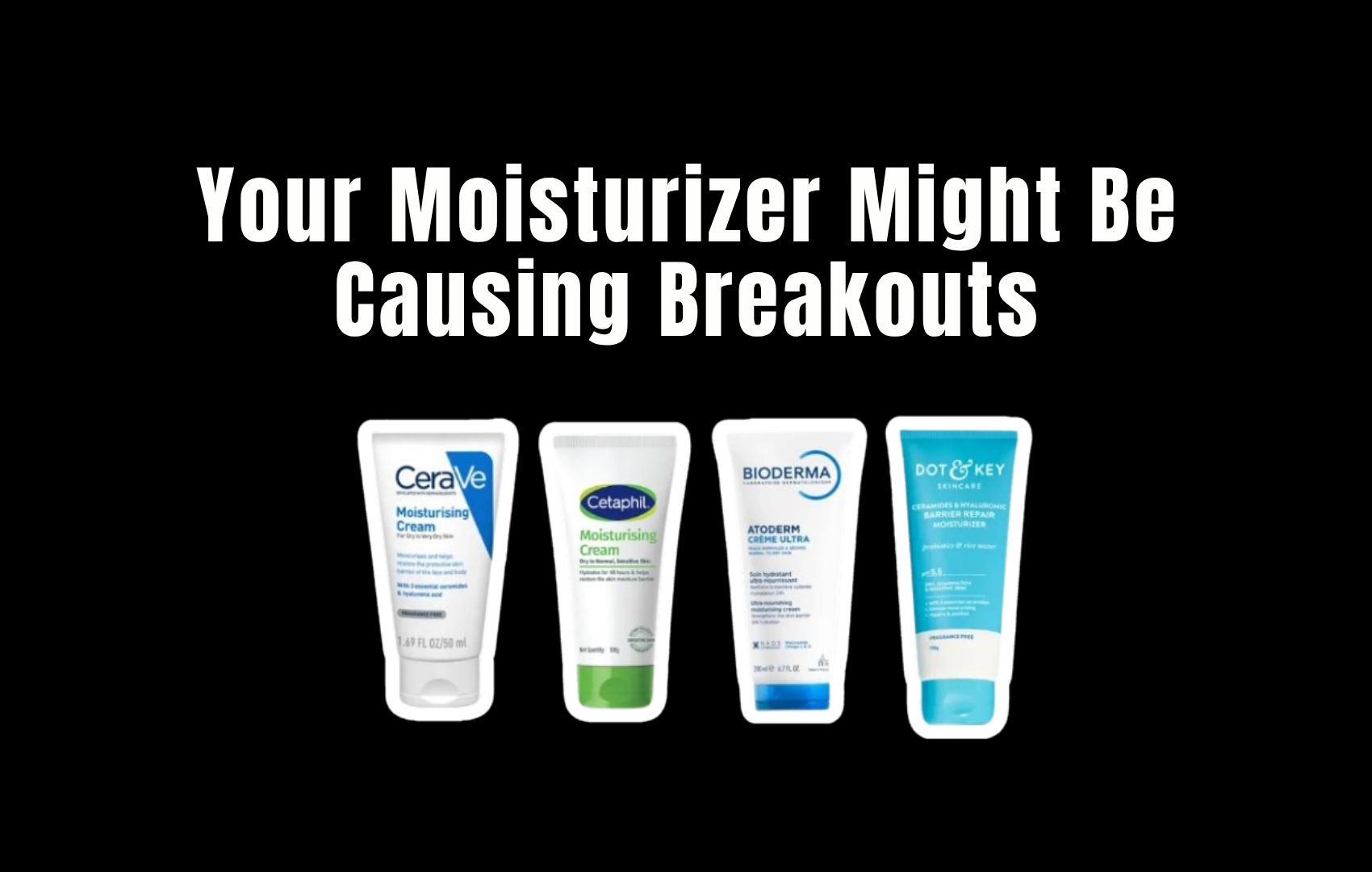
I looked at four of the most recommended moisturizers on the market: CeraVe, Cetaphil, Bioderma, and Dot & Key. All four are widely considered "safe for sensitive skin." All four have ingredients that, for certain skin types, can absolutely cause breakouts. Here's what's actually in them.
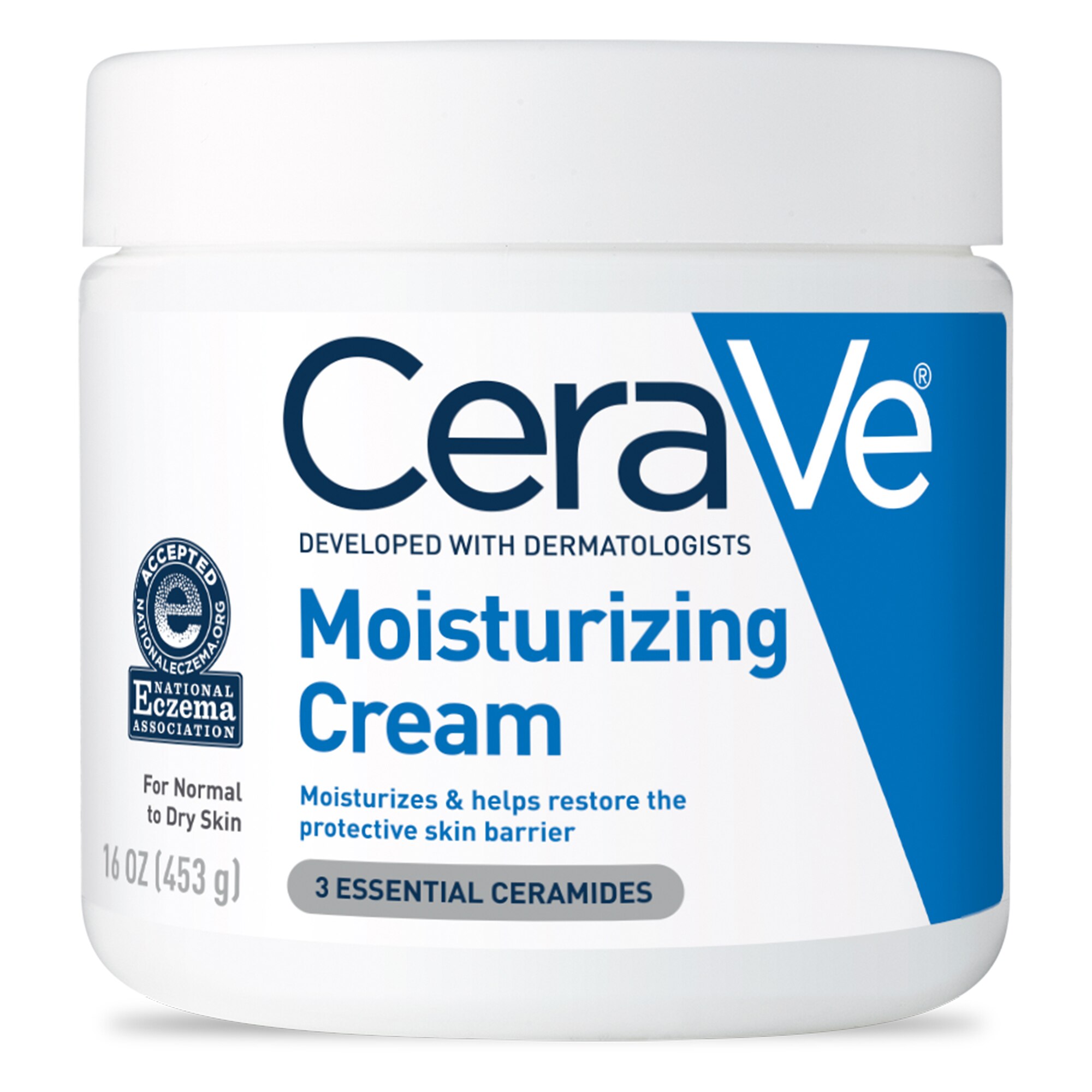
CeraVe Moisturizing Cream
Verdict: The Petrolatum ProblemCeraVe is the dermatologist darling, and for good reason — the ceramide complex genuinely supports barrier repair, and the formula is fragrance-free. But the second ingredient is petrolatum, and for acne-prone skin, petrolatum is a known pore-clogger. It's an occlusive, meaning it sits on top of the skin and seals everything in — including sebum, dead skin cells, and bacteria.
For dry skin with a compromised barrier, petrolatum is excellent. For oily or acne-prone skin, it can be a disaster. The "non-comedogenic" label on CeraVe is based on testing that doesn't always reflect real-world use on acne-prone skin types. The brand doesn't flag this distinction anywhere on the packaging.

Cetaphil Moisturizing Lotion
Verdict: Isopropyl Myristate Is a Red FlagCetaphil has been recommended by dermatologists for decades, and the brand leans heavily on that legacy. But the Moisturizing Lotion contains isopropyl myristate — one of the most consistently comedogenic ingredients in skincare. It's rated a 5 out of 5 on the comedogenic scale, meaning it's highly likely to clog pores for most people.
Isopropyl myristate is used because it gives the formula a lightweight, non-greasy feel. It absorbs quickly and makes the product pleasant to apply. But for anyone with acne-prone skin, it's a direct route to clogged pores. The fact that this ingredient appears in a product marketed as "gentle for sensitive skin" is one of the more egregious examples of skincare marketing obscuring what's actually in the bottle.
If you've been using Cetaphil and breaking out, this is almost certainly why.
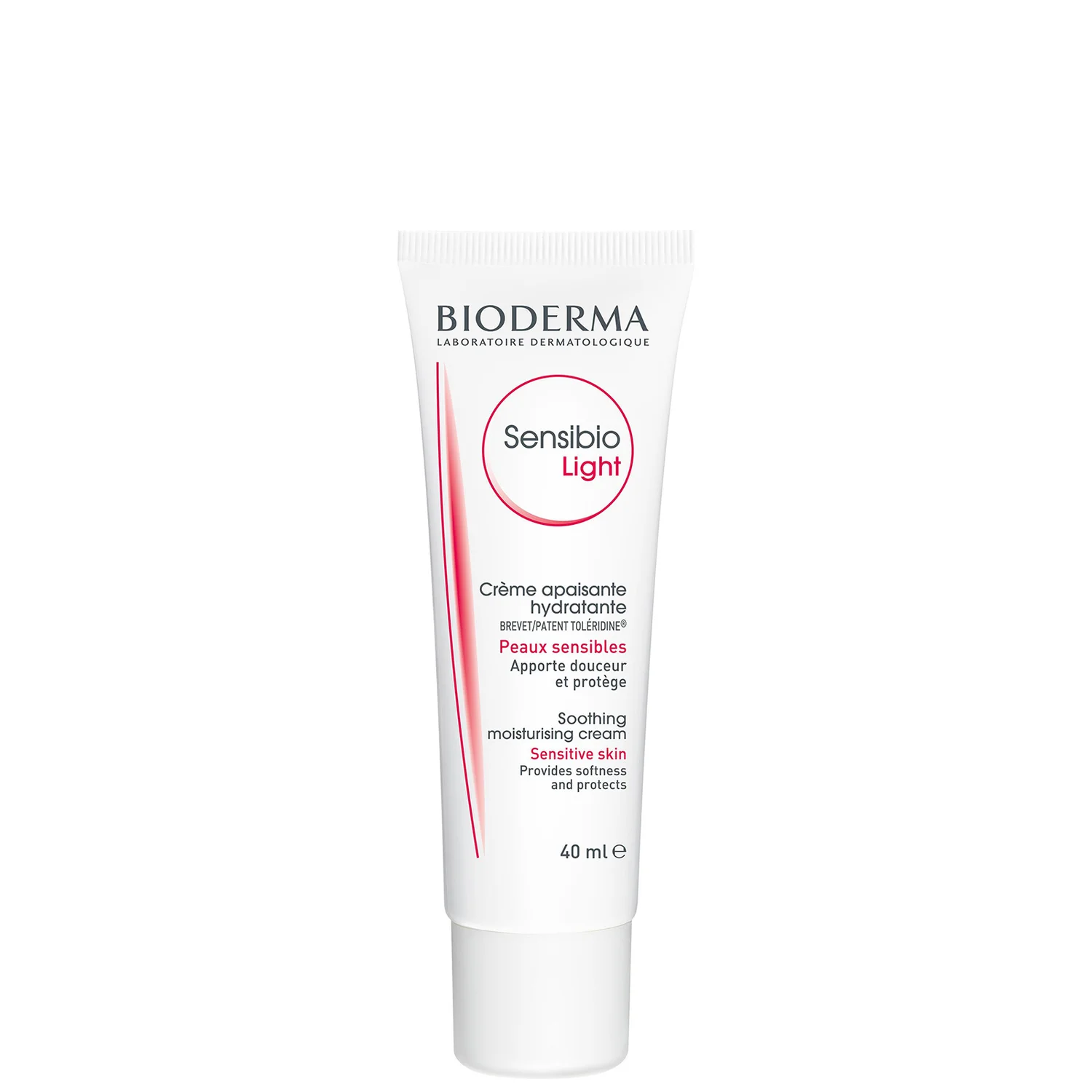
Bioderma Sensibio Light Cream
Verdict: Cleanest Formula of the FourBioderma's Sensibio line is genuinely formulated with sensitive and reactive skin in mind. The Light Cream avoids the most common comedogenic offenders — no isopropyl myristate, no heavy occlusives, no fragrance. The active ingredient is D.A.F. (Defensine), a patented complex that helps reinforce the skin's natural tolerance threshold.
It's the most expensive of the four per ml, and the lightest in texture. For oily or combination skin that still needs hydration without risk of breakouts, this is the most defensible choice. It won't give you the heavy, cushiony feel of CeraVe — but that's the point. It's not trying to be a barrier repair cream. It's trying to not cause problems, and it largely succeeds.
Dot & Key Barrier Repair Moisturizer
Verdict: Good Ingredients, Fragrance Is the IssueDot & Key has built a strong following in the clean beauty space, and the Barrier Repair Moisturizer has a genuinely solid ceramide and niacinamide base. The formula is thoughtfully constructed — until you get to the fragrance. It's listed simply as "fragrance" with no further breakdown, which means it could contain any number of sensitizing compounds.
For most people, this won't matter. But for anyone with reactive skin or a compromised barrier — exactly the people this product is marketed to — fragrance is one of the most common triggers for inflammation and breakouts. A barrier repair product that contains undisclosed fragrance is a contradiction. The brand should either disclose the fragrance components or remove them entirely.
The Ingredient to Check Before You Buy
Before you buy any moisturizer, search the full ingredient list for: isopropyl myristate, isopropyl palmitate, coconut oil, algae extract, and undisclosed fragrance. These are the most common breakout triggers hiding in "gentle" formulas. Non-comedogenic labeling is not regulated — it means whatever the brand decides it means.
The safest approach: look up the full ingredient list on CosDNA or INCIDecoder before purchasing. Both sites flag comedogenic ingredients and known irritants. It takes two minutes and will save you weeks of unexplained breakouts.