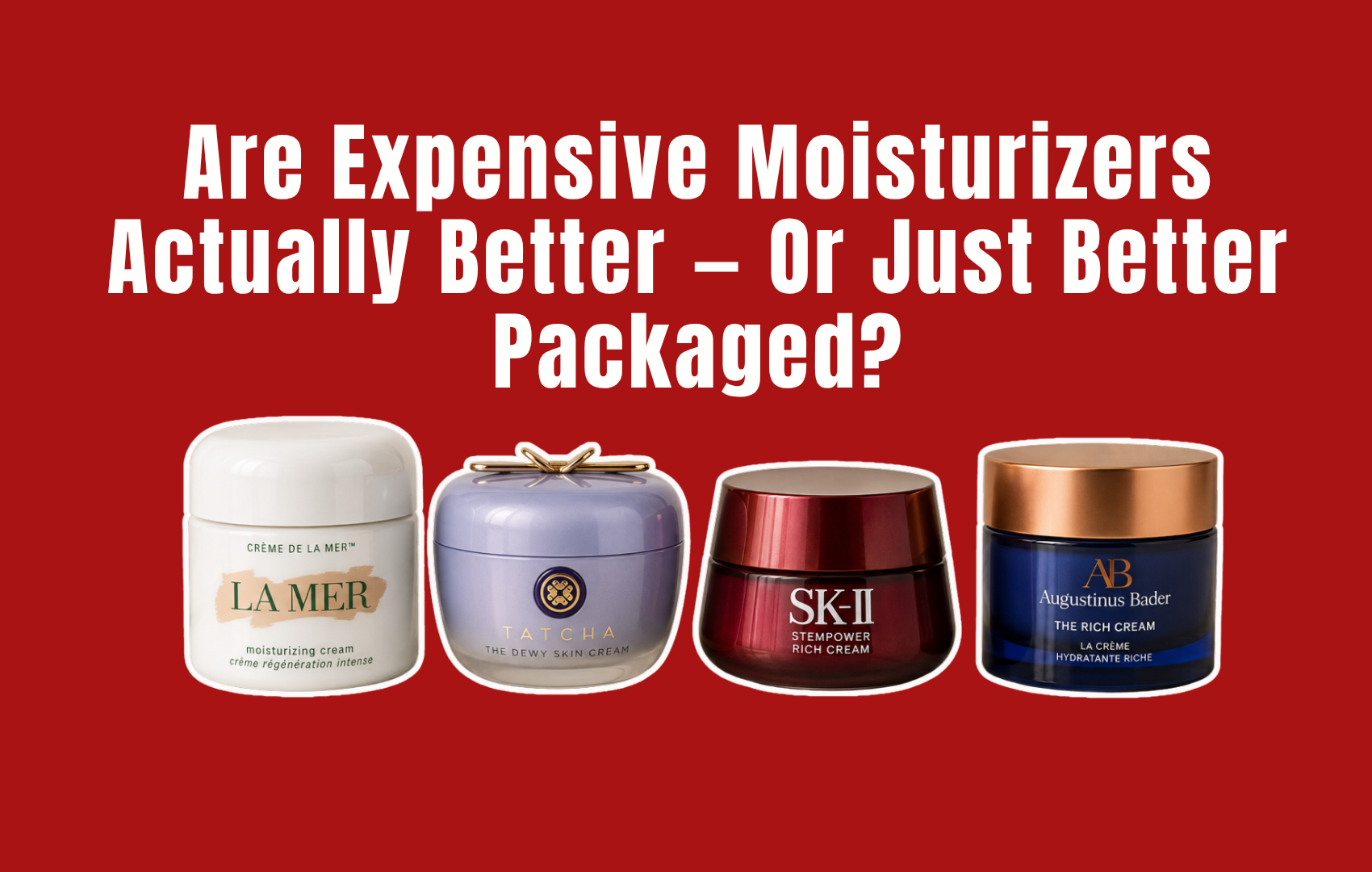
I spent years sourcing skincare formulas for brands you have definitely heard of, and I can tell you the price on the box is one of the least reliable pieces of information in the entire store.
Not the ingredient list, not the claims, the price. People treat it as a shortcut for quality, as if the number is quietly telling you how good the thing inside is. It is not. It is telling you what the brand decided you would pay. Let me show you how that number actually gets set, because once you see it you cannot unsee it.
Most Brands Do Not Make Anything
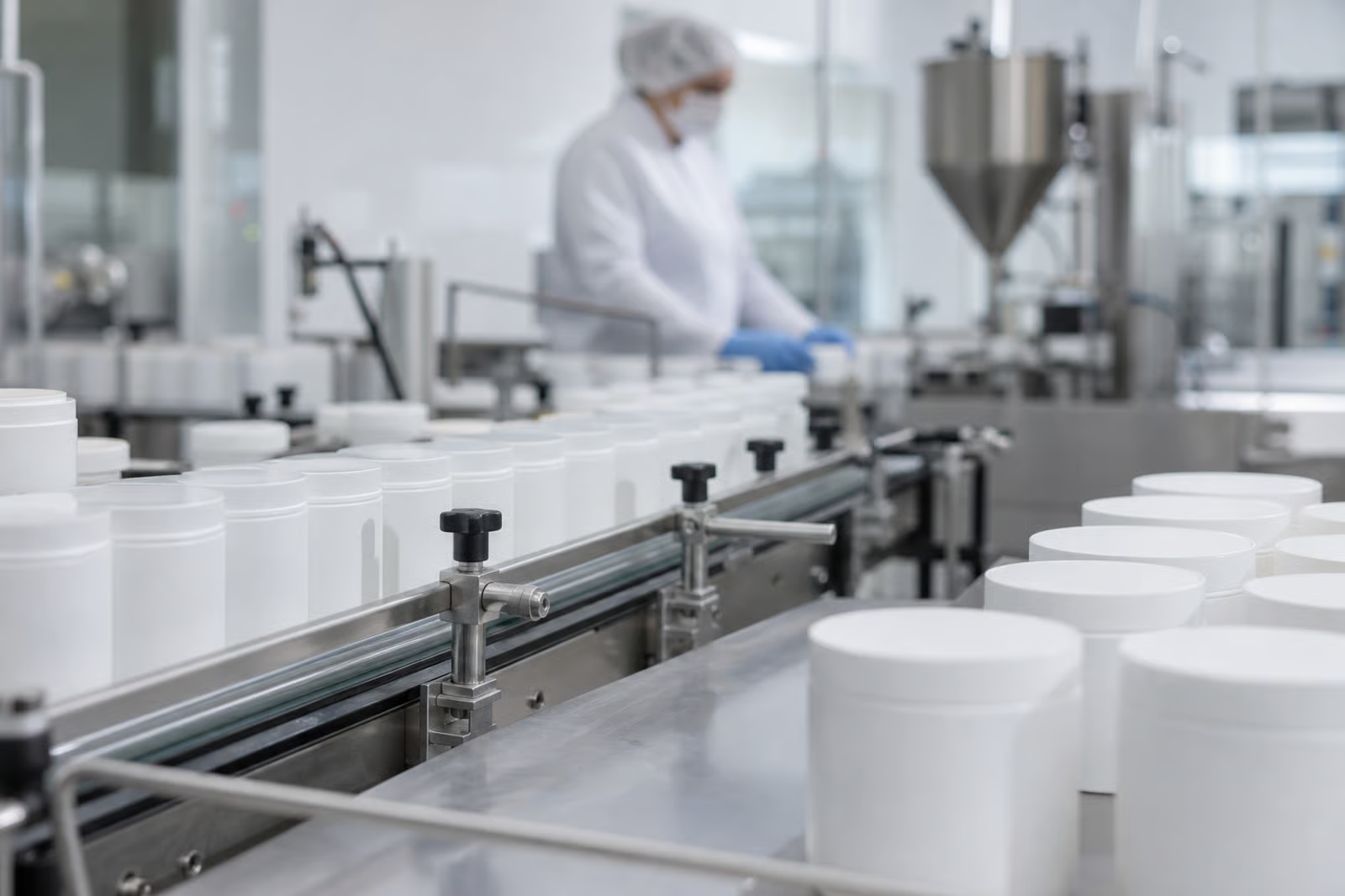
Start with a fact that surprises almost everyone. The large majority of beauty brands do not manufacture their own products, and plenty do not even develop them. They hire a contract manufacturer, often called a private label or white label lab, that quietly makes products for dozens of brands at once. You can walk into one of these labs, choose from a catalog of ready made base formulas, adjust the scent and the packaging, put your logo on it, and launch a full skincare line in a few months without ever touching a beaker. This is not a scandal. It is simply how most of the industry works, and it is worth knowing before you judge anything by its price.
The Same Formula, Three Different Price Tags
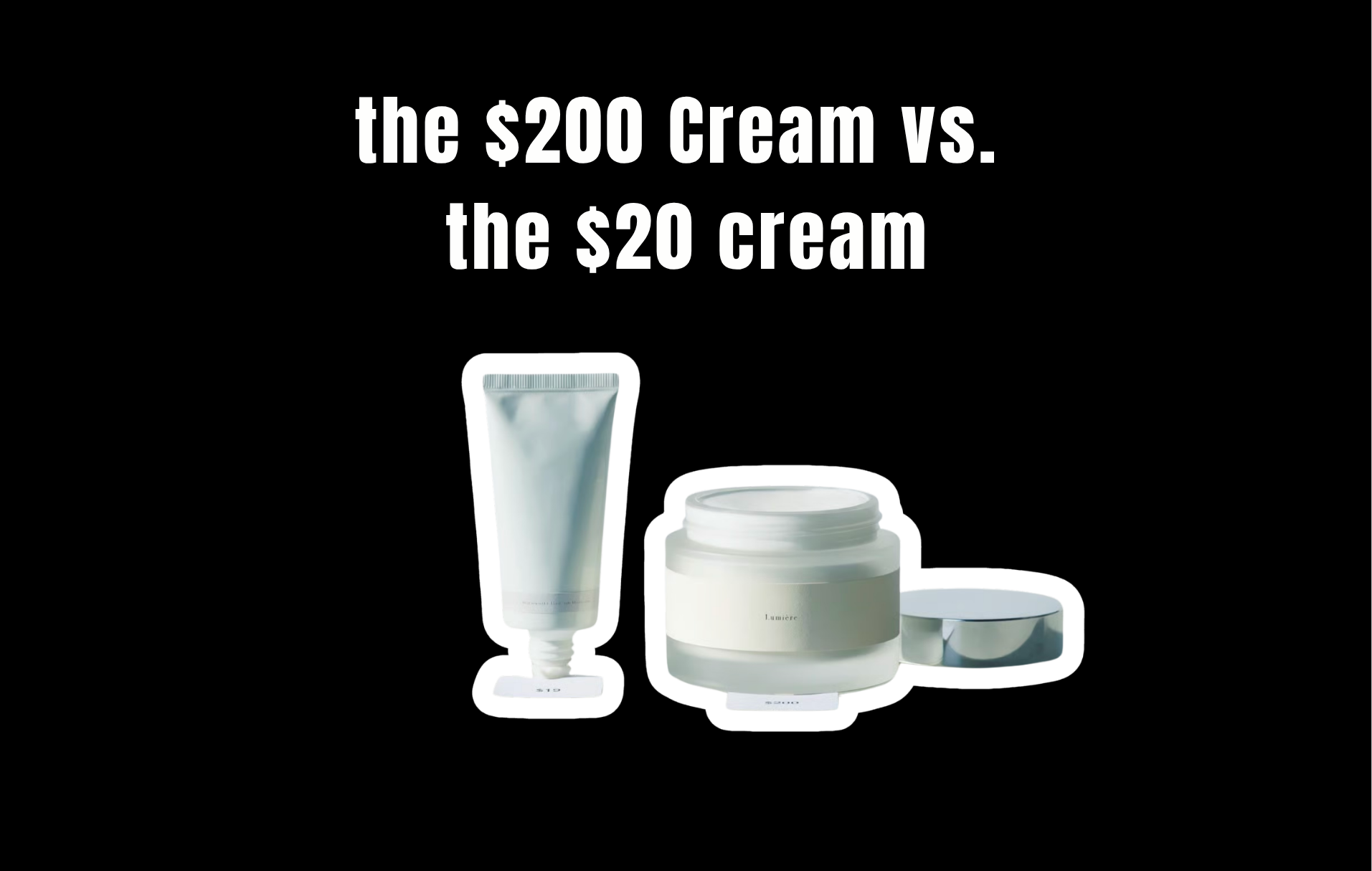
Here is where it gets interesting for your wallet. Two brands can walk into the same lab, pick the same base moisturizer off the same catalog, and walk back out to sell it at wildly different prices. One pours it into a heavy glass jar with a serif logo and charges two hundred dollars. The other puts it in a plain tube and charges nineteen. Inside, the formula can be nearly identical, and sometimes it is literally identical, down to the same production batch. I have watched the same core formula ship under three different brands at three very different price points. The lab does not care in the slightest. It fills the order either way.
So Where Does the Money Actually Go?
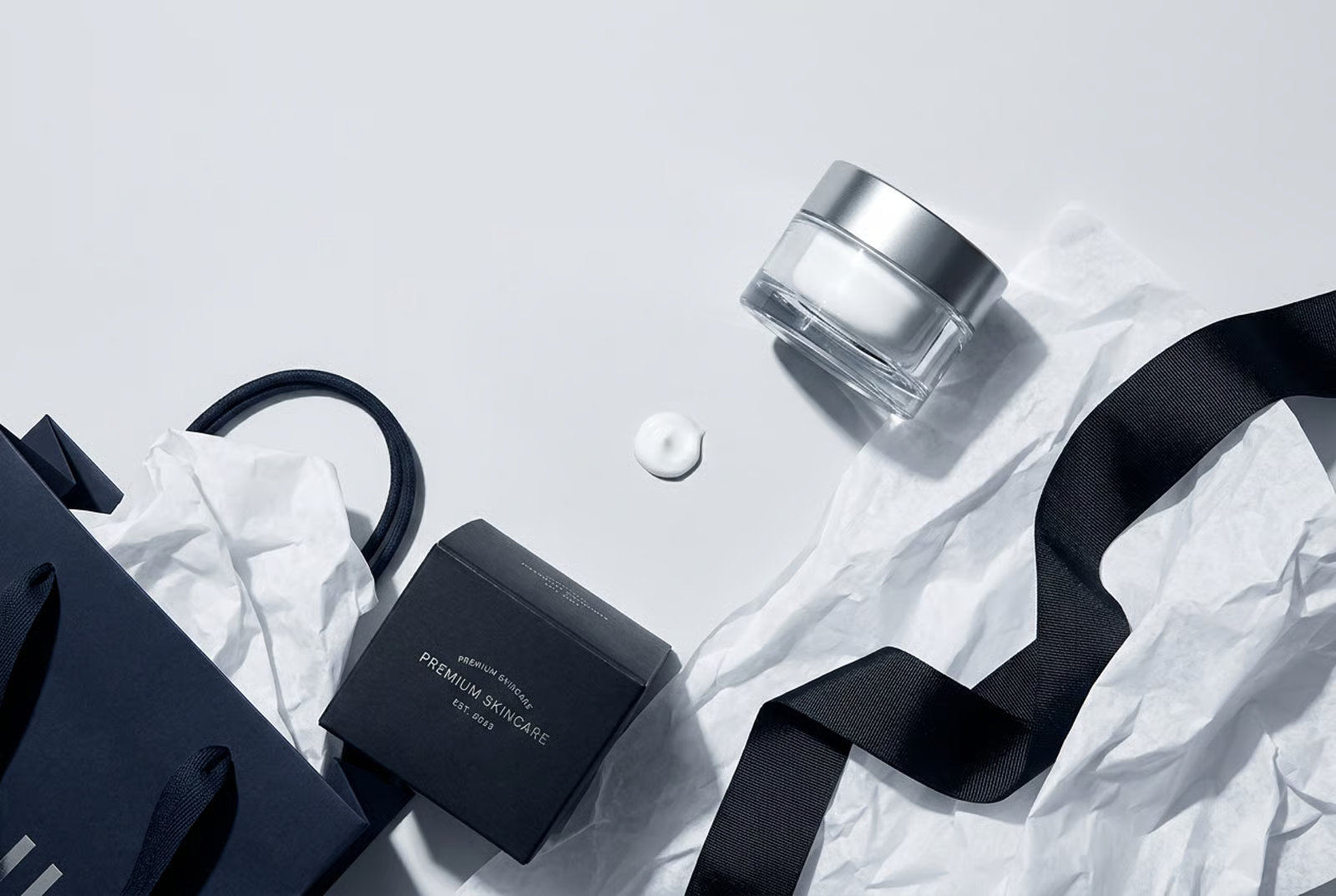
If the formula is often similar, what are you paying for at the high end? Rarely the ingredients. In most prestige products the raw formula is a small fraction of the retail price, frequently just a few dollars. The rest goes to the packaging, which can genuinely cost more than the product inside it, plus marketing, celebrity faces, influencer seeding, retailer markups, and the fat profit margin that luxury positioning quietly allows. When you hand over two hundred dollars, most of that money went to the story wrapped around the cream, not to the cream itself.
The Price Is the Marketing
This is the part the industry would rather you not sit with. Price in beauty is a marketing decision long before it is any reflection of quality. There is a well documented effect where people assume expensive means better, and then genuinely report that a pricier product worked better, even when it was identical to a cheaper one poured from the same container. Brands know this cold. A high price is not always the result of a superior product. Very often the high price is the product, because it signals prestige, filters for a certain kind of customer, and makes the whole thing feel more effective before it has touched your skin.
To Be Fair: Sometimes More Money Does Buy More
I do not want to be glib, because a higher price can occasionally pay for something real. It can fund genuinely higher concentrations of expensive actives, better stability and testing, elegant textures that are legitimately hard to formulate, air tight packaging that actually protects delicate ingredients, and real research standing behind a specific claim. Those things have value and they cost money. The catch is that a premium price guarantees none of them. Plenty of expensive products have not a single one of these advantages, and plenty of cheap ones quietly have several. The price alone cannot tell you which is which, and that is the whole problem.
What Actually Makes a Product Good
If the number on the box is unreliable, look at the formulation instead. Which actives are in it, and are they at a concentration that does anything, or just a sprinkle added so the ingredient can appear on the label. How it is packaged, because light and air destroy ingredients like vitamin C and retinol, which makes a clear jar a bad sign no matter what you paid. And whether the brand can point to anything real behind its claims beyond a gorgeous campaign. A twenty dollar product built correctly will outperform a two hundred dollar one built for the shelf every single time.
None of this means cheap is always better, or that you are foolish for ever enjoying a luxury product. If a beautiful jar on your shelf genuinely makes you happy, that is a real and valid reason to buy it. Just buy it knowing what you are buying:
- Learn to read at least the first five ingredients, where most of any formula actually lives.
- Check whether a cheaper product with the same key actives exists, because it very often does.
- Watch the packaging — light and air degrade the actives you paid for, no matter the price.
- The next time something feels expensive in a way that seems to promise results, ask honestly whether you are paying for what is in the bottle or for how the bottle makes you feel.
Both are allowed. Only one of them does anything to your skin.