It started as a hack.
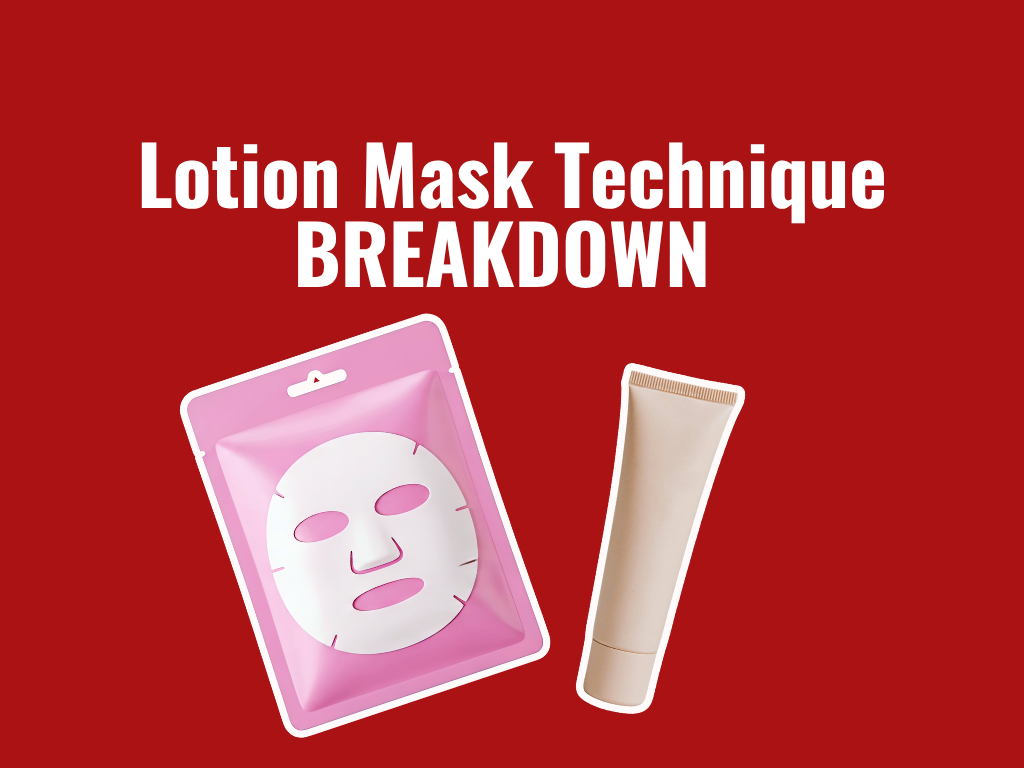
Apply a layer of lotion. Then put a sheet mask on top. Suddenly TikTok is calling it a "dry skin savior."
The logic sounds convincing: masks hydrate fast, lotion "locks it in," together means longer-lasting moisture.
But like most viral skincare tricks, the reality is more nuanced. Let's break down what is actually happening — and what is just good storytelling.
What the Trend Claims
The viral method looks like this:
Step 1
Apply a thin layer of lotion or cream
A light hydrating lotion — not a thick cream — applied to clean, slightly damp skin.
Step 2
Put a sheet mask on top
Press the mask flat against the skin over the lotion layer.
Step 3
Leave for 15 to 20 minutes, then remove and finish
Remove the mask before it dries completely. Apply moisturizer to seal.
The promise: "Your skin stays hydrated longer instead of drying out after 2 hours."
Honestly, that part is not completely wrong.
Why This Feels Like It Works
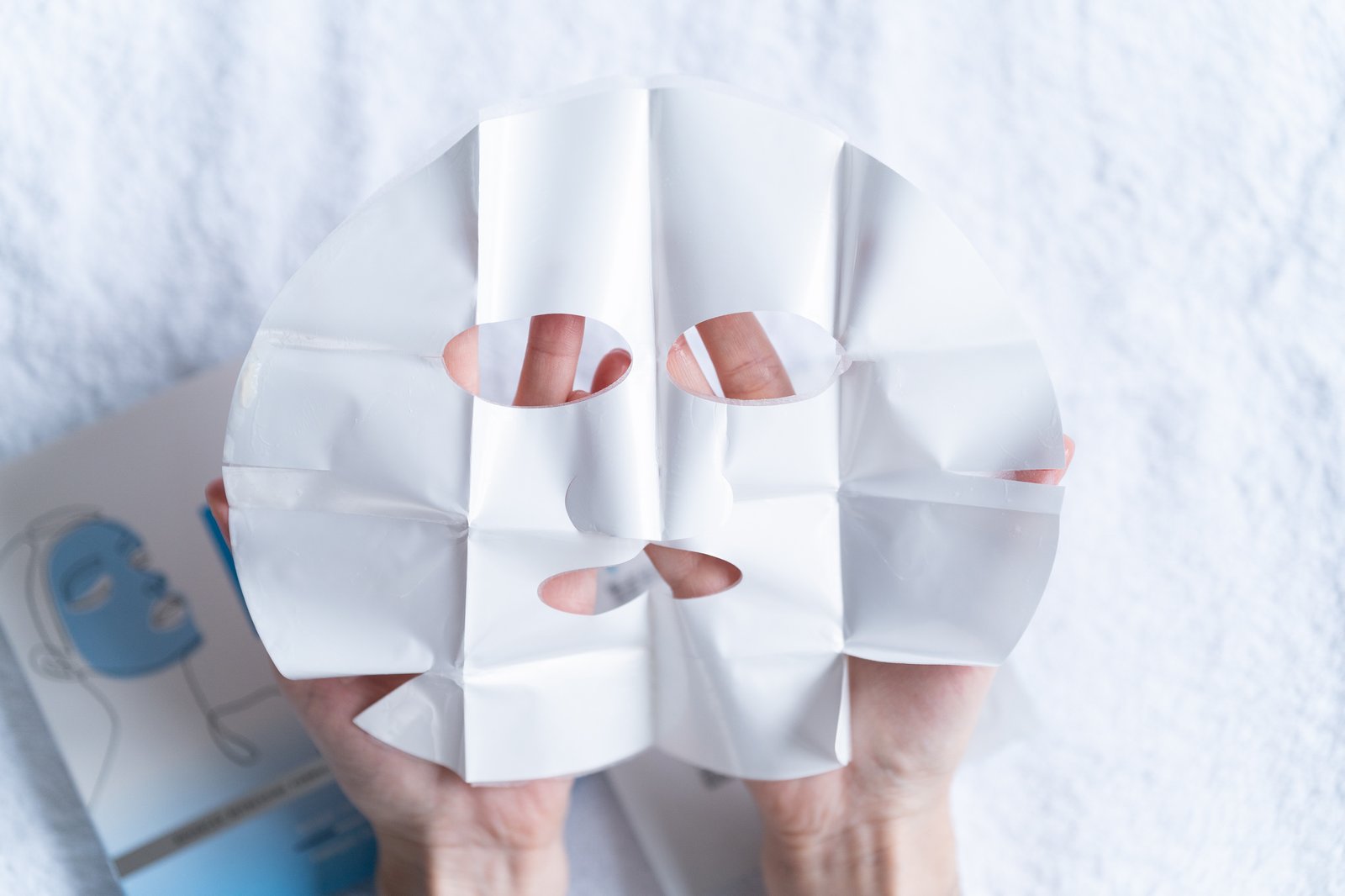
Occlusion — trapping moisture against the skin — is a real skincare concept. The sheet mask already provides it. The question is whether adding lotion underneath helps or hinders.
The core idea behind this trend is real in skincare: occlusion.
Occlusion means creating a layer that reduces water loss from the skin. When you use a sheet mask, you already get hydration from water and humectants, occlusion because the mask sits on skin and traps moisture, and better contact between ingredients and skin.
When you add lotion underneath, you are layering humectants (like glycerin or hyaluronic acid), emollients (like oils and fatty ingredients), and a mask on top that traps everything in place.
Professional facials use a similar concept: serum, mask, occlusion. So yes, this method is not random. It is just simplified and slightly misunderstood.
The Real Problem It Is Trying to Solve
This hack exists because people notice something real:
That happens because masks give temporary surface hydration, water can evaporate after, and if you do not seal it, the hydration does not last. Moisturizers help reduce water loss by forming a protective layer on the skin. So the instinct — "lock it in" — is actually correct.
But Here Is Where It Gets Messy
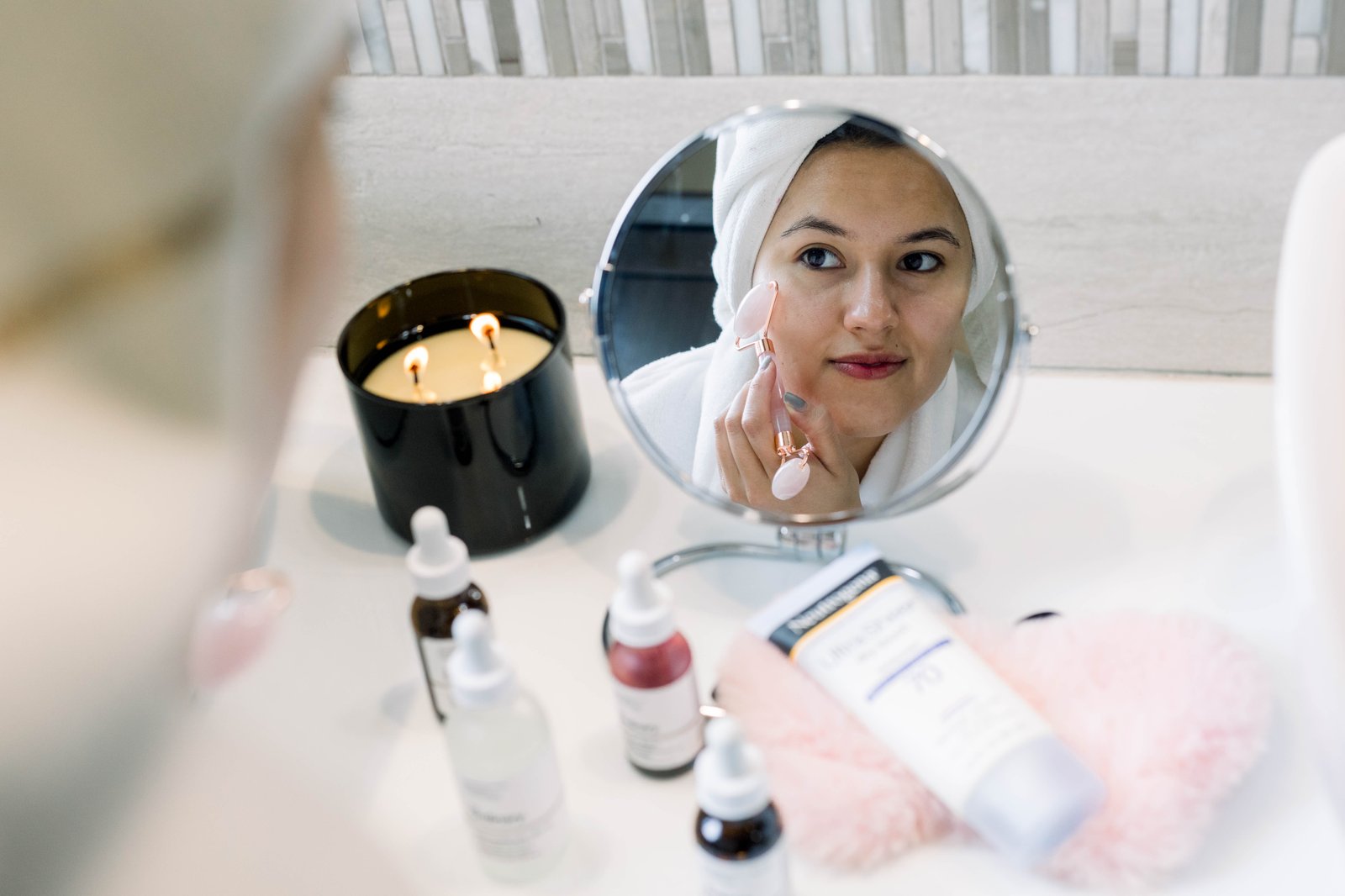
Order matters in skincare. Most dermatology guidance is mask first, moisturizer after — not the other way around.
1. Order matters more than people think
Most dermatology and esthetician advice is: mask first, then moisturizer.
Because the mask hydrates, and the moisturizer seals. Putting lotion before the mask can dilute absorption, block some ingredients, and make everything sit on top rather than penetrate. This does not mean the hack never works. It means it is not automatically better.
2. More layers do not mean better results
This trend assumes more products equals more hydration. But skin does not work like stacking blankets. Too much occlusion can overload the skin, increase irritation risk, feel greasy or sticky, and trap ingredients your skin does not like — especially if the lotion is heavy, the mask is already rich, or your skin is acne-prone or sensitive.
3. The "mask dries out your skin" myth
People say masks do not last, so they are useless. Not exactly. Masks are short-term hydration boosts. They are not long-term barrier repair. If you rely on them alone, hydration fades. That is not failure. That is just how they are designed.
4. Timing mistakes make things worse
Leaving masks on too long is a bigger problem than people realize. If a sheet mask dries completely, it can start pulling moisture back from your skin — reversing the whole point. A safer window is usually around 10 to 20 minutes, depending on the mask instructions.
So, Does This Hack Actually Work?
Yes, if:
- your skin is very dry
- you use a light layer of lotion
- you do not leave the mask on too long
- you still moisturize after
- the products are simple and non-irritating
No, if:
- you apply thick cream underneath
- you expect deep repair
- you use it daily like a routine
- you have acne-prone or sensitive skin
- your lotion contains strong actives, fragrance, or exfoliating ingredients
What You Should Do Instead
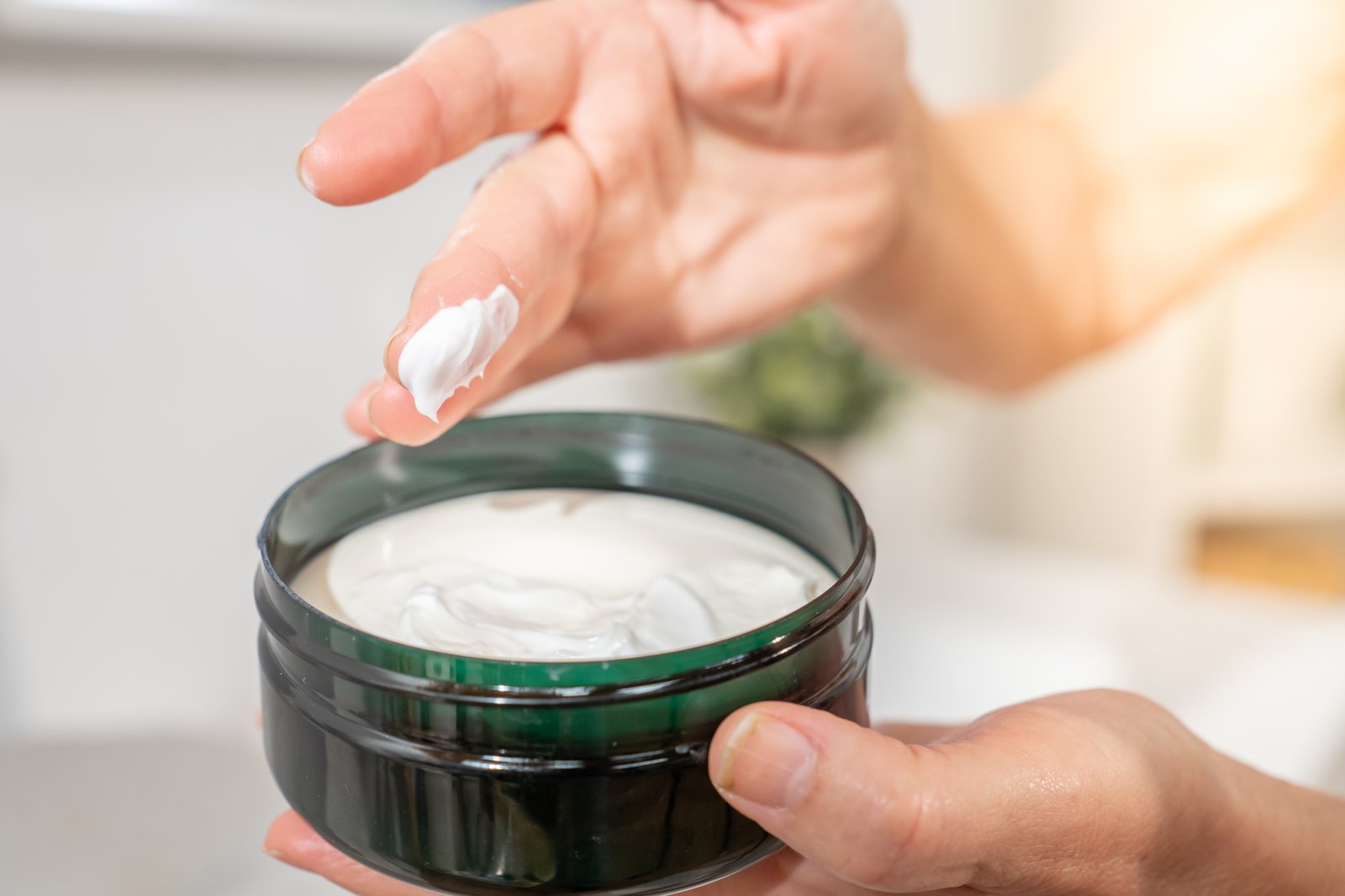
Apply moisturizer immediately after removing the mask while skin is still slightly tacky — that is the window when it absorbs best.
If your goal is longer-lasting hydration, this version makes more sense:
Step 1
Cleanse
Start with clean skin. Slightly damp is fine — it helps humectants absorb.
Step 2
Apply sheet mask
Press flat and leave for 10 to 15 minutes. Remove before it dries.
Step 3
Apply moisturizer immediately after
While skin is still slightly tacky from the mask essence, apply your moisturizer to seal in the hydration.
Step 4 (optional)
Seal with a richer cream if very dry
For very dry skin, a thin layer of a richer cream or facial oil on top adds extra occlusion without the risks of layering under the mask.
This follows the basic logic: hydrate first, seal after.
The Bottom Line
The "lotion + mask" trick is not a scam. It is a slightly confused version of a real concept: layering hydration and reducing water loss.
But the viral version often flips the order and oversells the effect. The truth is simpler: masks give quick hydration, moisturizer helps retain it, and both together can work better than either alone.
Just use them in the right order.