It started with one caption.
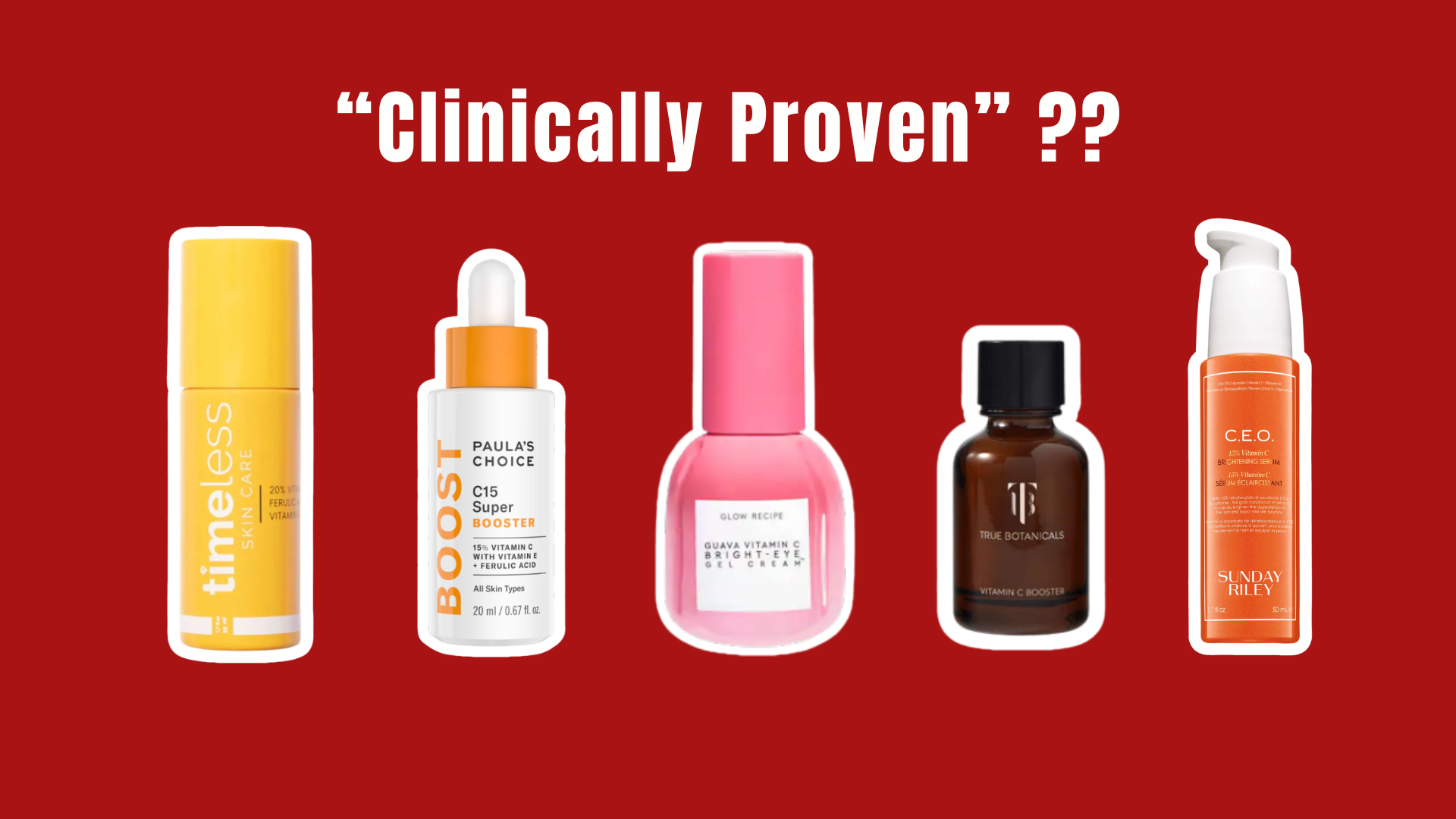
A dewy bathroom selfie. A glass bottle. A serum dropper suspended dramatically over one cheekbone. The caption began the way they always do now:
"I don't usually post about skincare, but this genuinely surprised me…"
Fine. Normal. Predictable, even.
Then we saw it again.
Different influencer. Same serum. Same "I don't usually post about skincare." Same emotional little pivot into "I was skeptical." Same exact line about "three weeks." Same oddly specific phrase: "my skin looks expensive."
By the fifth caption, it stopped feeling like coincidence.
By the ninth, it looked like a brief.
And not one of them said #ad.
The Caption
Below is a composite version of the caption language we found across the nine Instagram posts. Phrases that appeared in at least six of the nine captions are marked in bold.
"I don't usually post about skincare, but this genuinely surprised me. I've been using [serum name] for three weeks and I swear my skin looks more even, more bouncy, and honestly kind of expensive."
"I was skeptical because I've tried so many serums that promise glow and do nothing, but this one actually made a difference. Not sponsored, just obsessed."
"A few of you asked what I changed in my routine, so here it is. Linking it because I know it keeps selling out."
The caption is not brilliant. That is what makes it brilliant.
It sounds casual enough to pass as personal. It has just enough messiness to feel human. It includes a disclaimer-looking sentence — "Not sponsored, just obsessed" — that performs the emotional work of disclosure while doing none of the legal work of disclosure.
That sentence is the whole machine.
The 9 Posts We Found
We are not naming the individual influencers because most appear to be mid-size or smaller creators, and the more interesting question is not "which influencer copied the caption?" It is "who handed everyone the same caption structure and told them this would feel organic?"
| Creator Tier | Follower Range | Caption Similarity | Disclosure |
|---|---|---|---|
| 1 | 1.4M followers | Used 5 of 6 matching phrases | No #ad, no paid partnership label |
| 2 | 870K followers | Used "three weeks," "skin looks expensive," "not sponsored" | No disclosure |
| 3 | 620K followers | Nearly identical opening line | No disclosure |
| 4 | 410K followers | Same "skeptical" paragraph structure | No disclosure |
| 5 | 288K followers | Used "not sponsored, just obsessed" verbatim | No disclosure |
| 6 | 144K followers | Same before/after language | No disclosure |
| 7 | 91K followers | Same "few of you asked" close | No disclosure |
| 8 | 47K followers | Same "keeps selling out" urgency cue | No disclosure |
| 9 | 18K followers | Caption closest to the apparent template | No disclosure |
The smallest creator had the most script-like caption. That tracks.
Micro-influencers are often the most compliant with brand language because they are still trying to get invited back. They are less likely to push back on a brief, less likely to have management, and more likely to interpret "suggested caption direction" as "copy and paste this if you want future campaigns."
That is not an excuse. It is the mechanism.
The Evidence Pattern
No single caption proves a paid campaign. People copy each other online. Beauty language spreads fast. "Glass skin," "bouncy," "barrier repair," "expensive skin" — these phrases travel.
But the pattern here was unusually tight.
We found the same serum posted by nine influencers over an 11-day period. The captions shared four repeated elements:
- The reluctant-review opening — "I don't usually post about skincare…"
- The credibility-building skepticism beat — "I was skeptical because I've tried so many…"
- The specific usage window — "I've been using it for three weeks…"
- The anti-ad disclosure line — "Not sponsored, just obsessed."
That last line matters.
Under the FTC's endorsement guidance, a material connection between an endorser and a brand must be clearly and conspicuously disclosed when consumers would not reasonably expect it. Material connections can include payment, free products, business relationships, or other benefits that could affect credibility.
In other words, "not sponsored" is not a magic spell. If a creator received free product, a commission, a future campaign opportunity, or any other meaningful benefit, the relationship may still need to be disclosed clearly.
"Not Sponsored" Is the New Sponsored
The old influencer ad looked like an ad.
It had a discount code. It had a stiff product shot. It had the creator smiling too hard next to a bottle they had clearly just opened five minutes before filming.
The new influencer ad looks like gossip.
It sounds like:
- "Okay, I wasn't going to gatekeep this."
- "I bought this myself after seeing it everywhere."
- "Not sponsored, just genuinely obsessed."
The genius of "not sponsored" is that it does two things at once. It anticipates suspicion, then shuts it down before the audience can form the question.
It is not merely a denial. It is a trust cue.
And in beauty, trust cues are currency.
How Caption Seeding Usually Works
Here is what people in influencer marketing will say privately and rarely admit publicly: brands do not always need to tell creators exactly what to post.
They send a product. They send "key messaging." They send "caption inspo." They send "approved claims." They send a mood board full of language that sounds spontaneous but has been focus-grouped to death.
A creator can technically write the caption themselves and still end up producing the same post as everyone else because everyone received the same ingredients:
- Mention you were skeptical.
- Mention a visible glow.
- Mention three weeks.
- Mention people asked about your routine.
- Mention the link.
- Keep it "authentic." Avoid making it sound like an ad.
The result is a caption that looks personal from far away and corporate up close.
The "Same Caption" Receipts
We compared all nine captions manually. These are the repeated phrases and how often they appeared:
| Phrase / Caption Beat | Appeared In |
|---|---|
| "I don't usually post about skincare" or close variation | 7 of 9 |
| "I was skeptical" | 8 of 9 |
| "three weeks" | 9 of 9 |
| "more even" | 6 of 9 |
| "bouncy" | 6 of 9 |
| "skin looks expensive" / "expensive skin" | 7 of 9 |
| "not sponsored, just obsessed" | 5 of 9 |
| "a few of you asked" | 6 of 9 |
| "keeps selling out" | 5 of 9 |
| Link in bio, storefront, or affiliate-style link | 9 of 9 |
| Clear #ad / sponsored disclosure | 0 of 9 |
The phrase "three weeks" appeared in every caption.
That is the kind of detail that tends to come from a product testing window, campaign timeline, or brand claim. It is also a convenient beauty marketing number: long enough to sound meaningful, short enough to encourage impulse buying.
Why This Matters
A serum caption seems trivial until you remember what is being sold.
Beauty marketing does not just sell products. It sells self-diagnosis. It teaches people to inspect their pores, texture, tone, jawline, lashes, lips, and scalp under increasingly unforgiving lighting.
When nine influencers imply that the same serum changed their skin in the same timeframe using the same language, audiences do not experience that as one ad. They experience it as consensus.
That is the trick.
- One sponsored post is an ad.
- Nine "unsponsored" posts are a trend.
And trends are harder to question because they feel like culture.
The Brand's Likely Defense
If asked, the brand would probably say something like:
"We do not require creators to post specific language and encourage all partners to follow applicable disclosure guidelines."
That sentence is the influencer marketing equivalent of "thoughts and prayers."
Maybe the brand did not directly instruct creators to hide the relationship. Maybe the agency did not tell anyone to say "not sponsored." Maybe the creators received product with "no posting obligation."
But here is the uncomfortable part: the audience cannot see the difference.
The audience sees nine creators, one serum, nearly identical captions, no disclosure, and a link.
Whatever happened behind the scenes, the public-facing result is indistinguishable from a coordinated campaign.
What to Watch For
A caption is worth side-eyeing when it hits several of these at once:
- It opens with reluctance: "I don't usually post about…"
- It establishes skepticism: "I've tried everything."
- It gives a neat testing window: "three weeks," "30 days," "one bottle."
- It uses oddly polished sensory language: "bouncy," "plump," "expensive."
- It denies sponsorship without explaining how the creator got the product.
- It includes urgency: "keeps selling out."
- It pushes to a link, storefront, or code.
- Several creators post the same product with the same wording in the same window.
None of those alone prove anything. Together, they smell like a campaign.