Hot Take
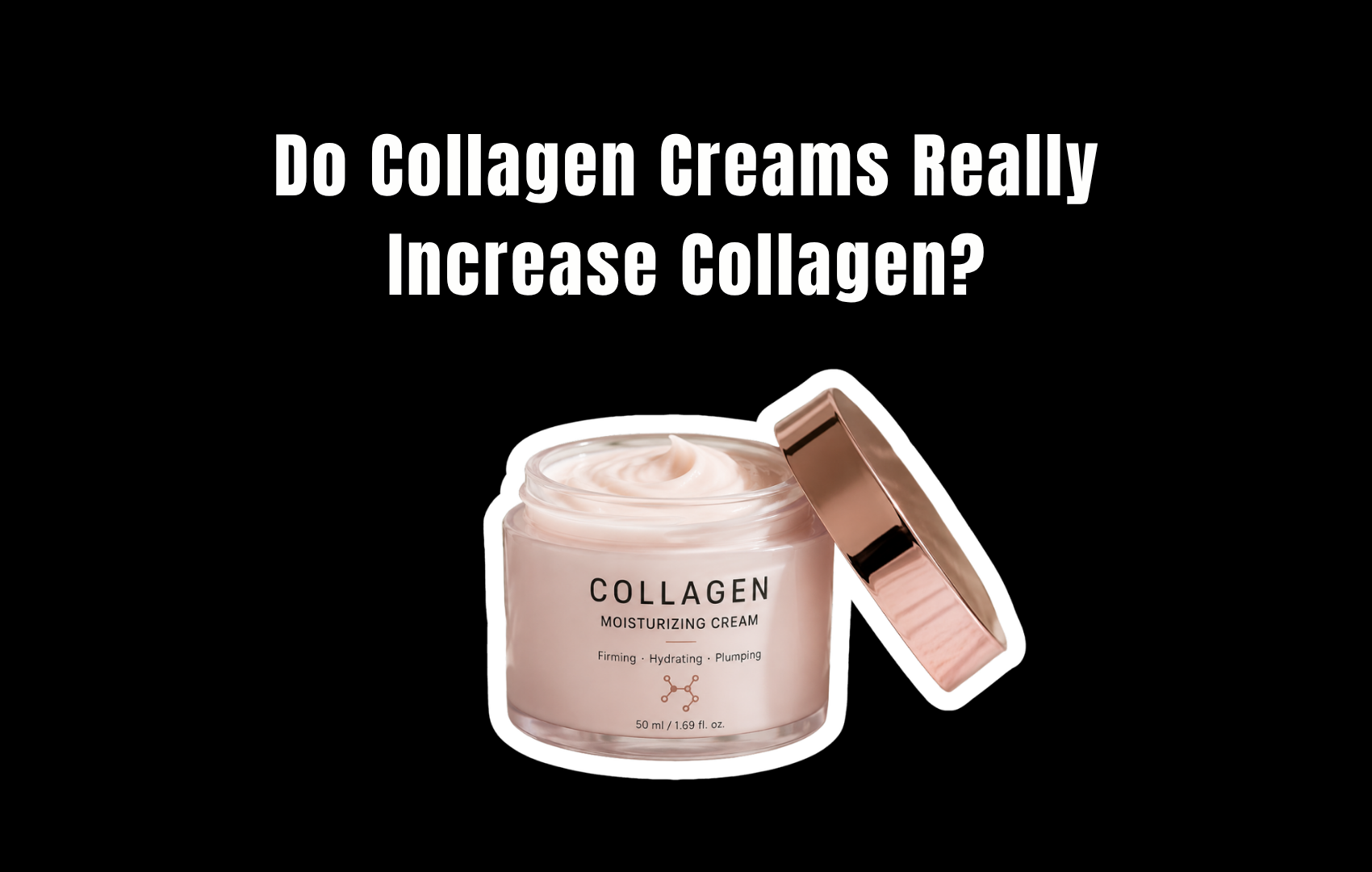
No. Collagen creams can hydrate your skin—but they probably can’t replace the collagen you’ve lost.
If skincare marketing were true, applying collagen cream would be like giving your skin a direct collagen refill.
Unfortunately, your skin doesn’t work that way.
While collagen is one of the most important proteins for keeping skin firm and youthful, simply putting it on the surface of your skin doesn’t mean it can reach the layers where collagen is naturally produced.
Here’s Why
Collagen is a very large protein, and your skin’s outer barrier (called the stratum corneum) is designed to keep large molecules out.
That means the collagen in your moisturizer generally can’t penetrate deep enough to reach the dermis—the layer of skin where your body’s collagen is made.
Instead, topical collagen stays on the skin’s surface, where it acts as a moisturizing ingredient. It helps reduce water loss and leaves skin feeling softer and smoother.
That’s why collagen creams often make your skin look:
- Softer
- Smoother
- More hydrated
- Temporarily plumper
These effects are real, but they’re caused by better hydration—not an increase in your skin’s collagen levels.
Think of it like inflating a balloon. Adding air smooths out the surface, but it doesn’t change what’s inside.
So What Does Increase Collagen?
If your goal is firmer, healthier-looking skin, you’ll get better results from ingredients that encourage your skin to produce its own collagen.
Some of the best-studied options include:
- Retinoids – The gold standard for stimulating collagen production and improving the appearance of fine lines over time.
- Vitamin C – Essential for collagen synthesis while also helping protect collagen from environmental damage.
- Peptides – Certain signaling peptides may encourage collagen production by communicating with skin cells.
- Daily sunscreen – UV exposure is one of the biggest causes of collagen breakdown, making sunscreen one of the most effective anti-aging products you can use.
Unlike collagen creams, these ingredients work by supporting your skin’s natural repair processes rather than trying to replace collagen directly.
What About Eating Collagen?
If applying collagen to your skin doesn’t work, what about eating it?
Not exactly.
When you consume collagen—whether it’s in bone broth, collagen peptides, or supplements—your digestive system breaks it down into smaller amino acids and peptides. Your body then uses those building blocks wherever they’re needed. There’s no guarantee they’ll end up in your skin.
That said, some studies suggest that hydrolyzed collagen supplements may help improve skin hydration and elasticity over time, although more high-quality research is still needed to determine how significant these benefits really are.
Whether you take a collagen supplement or not, your body still needs the right nutrients to make collagen. A balanced diet rich in protein, vitamin C, zinc, and copper provides many of the building blocks your skin relies on to naturally produce collagen.
Foods that support collagen production include:
- Citrus fruits and berries (rich in vitamin C)
- Lean meats, fish, eggs, and beans (protein)
- Leafy greens and colorful vegetables (antioxidants)
- Nuts and seeds (zinc and copper)
While no single food can erase wrinkles, consistently eating a nutrient-rich diet can help support your skin’s natural collagen production from the inside out.
The Bottom Line
Collagen creams aren’t a scam—they’re just often misunderstood.
They can be excellent moisturizers that leave skin feeling hydrated, smooth, and temporarily plumper. If your skin is dry, a collagen cream may absolutely help improve its appearance.
However, if you’re buying one because you expect the collagen inside the jar to become the collagen inside your skin, current research doesn’t support that claim.
Truth Behind Beauty Verdict: ❌ Mostly False
Collagen creams can temporarily improve the look and feel of your skin through hydration, but they don’t significantly increase your skin’s own collagen levels. For long-term collagen support, look for ingredients that help your body make more of its own collagen—and don’t forget sunscreen to protect the collagen you already have.