
Undisclosed gifting, affiliate codes, and contracts that forbid a bad word. A former influencer marketing manager on how that glowing “honest review” really got made.
I spent six years getting influencers to say nice things about products, and I can tell you the most dishonest word in all of beauty is “honest.”
Every week you scroll past some version of the same video. A creator holds up a bottle, tilts her head, and says the magic phrase. This is my honest review, not sponsored, I just genuinely love it. Sometimes that is completely true. Very often it is a carefully built piece of marketing that I, or someone with my old job, paid for in a currency you cannot see. Let me walk you through how the sausage actually gets made.
Gifting Is Not Free, and It Is Definitely Not Neutral
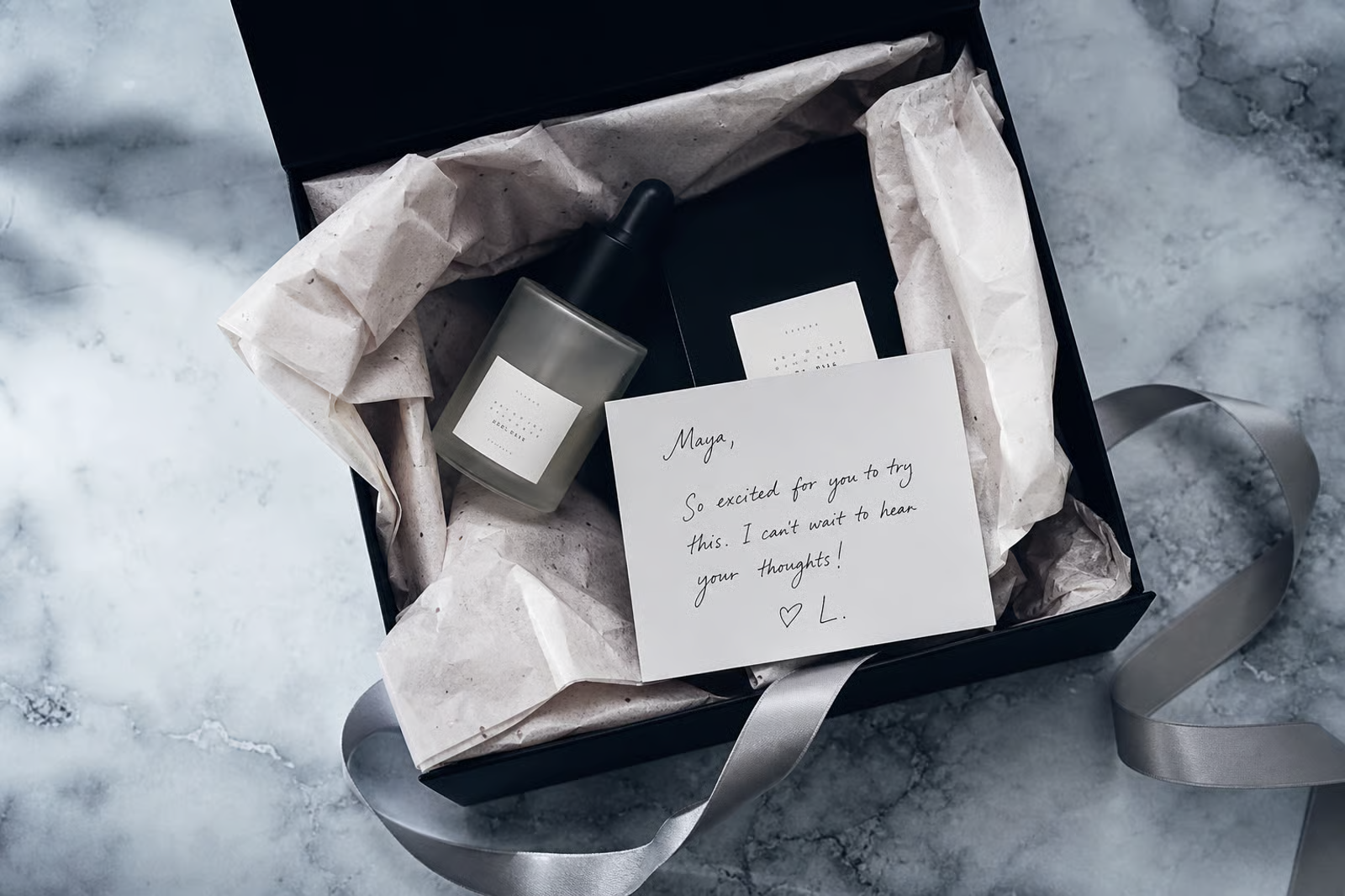
Start with the PR package, the pretty box that lands on a doorstep. It looks like a gift. In practice it is the opening move in a relationship. When a brand sends a creator hundreds of dollars of product with a handwritten note and her name embossed on a ribbon, it is not being generous. It is buying goodwill, and it works beautifully. Reciprocity is one of the most reliable levers in all of human psychology. People feel they owe something to those who give to them, and creators are people. Almost nobody unboxes a luxurious free haul and then films herself calling it mediocre. The gift did its job before the camera even turned on.
The Contract You Are Not Allowed to See
When money does change hands, there is usually a contract, and you would find it very illuminating. I have written these. They routinely include approval rights, meaning the brand reads and edits the script before it ever goes live. They include usage rights, so the brand can later run that “honest review” as a paid ad of its own. And a lot of them include what is politely called a no negative sentiment clause. In plain English, the creator agrees not to say anything unflattering about the product, in that post and often anywhere else.
You are watching a review that was contractually forbidden from being negative, handed to you as a spontaneous opinion.
Every “Link in Bio” Is a Tollbooth
Then there is the quiet money, the kind that needs no formal brand deal at all. Affiliate links and discount codes pay the creator a cut of everything you buy through them. So even a creator who genuinely was not paid to make the video still often earns money every single time you tap that link and check out. That is not automatically sinister. But it means the person recommending the product profits from your purchase, and that is a fact worth holding in your mind while you watch someone get a little emotional about a moisturizer.
The “I Bought It Myself” Theater
The most sophisticated version of all this is the creator who loudly insists the product is not sponsored. Sometimes that is a badge of real independence. Sometimes it is the single most valuable ad a brand can get, which is exactly why brands now run seeding campaigns built to make unpaid, organic looking praise happen at scale. They send the box to two hundred creators knowing that thirty will post glowingly and unprompted, and that the words “not sponsored” will make those thirty posts more persuasive than any ad they could have bought. The absence of a paycheck is being used as a marketing asset. That is the part that should make you tilt your head.
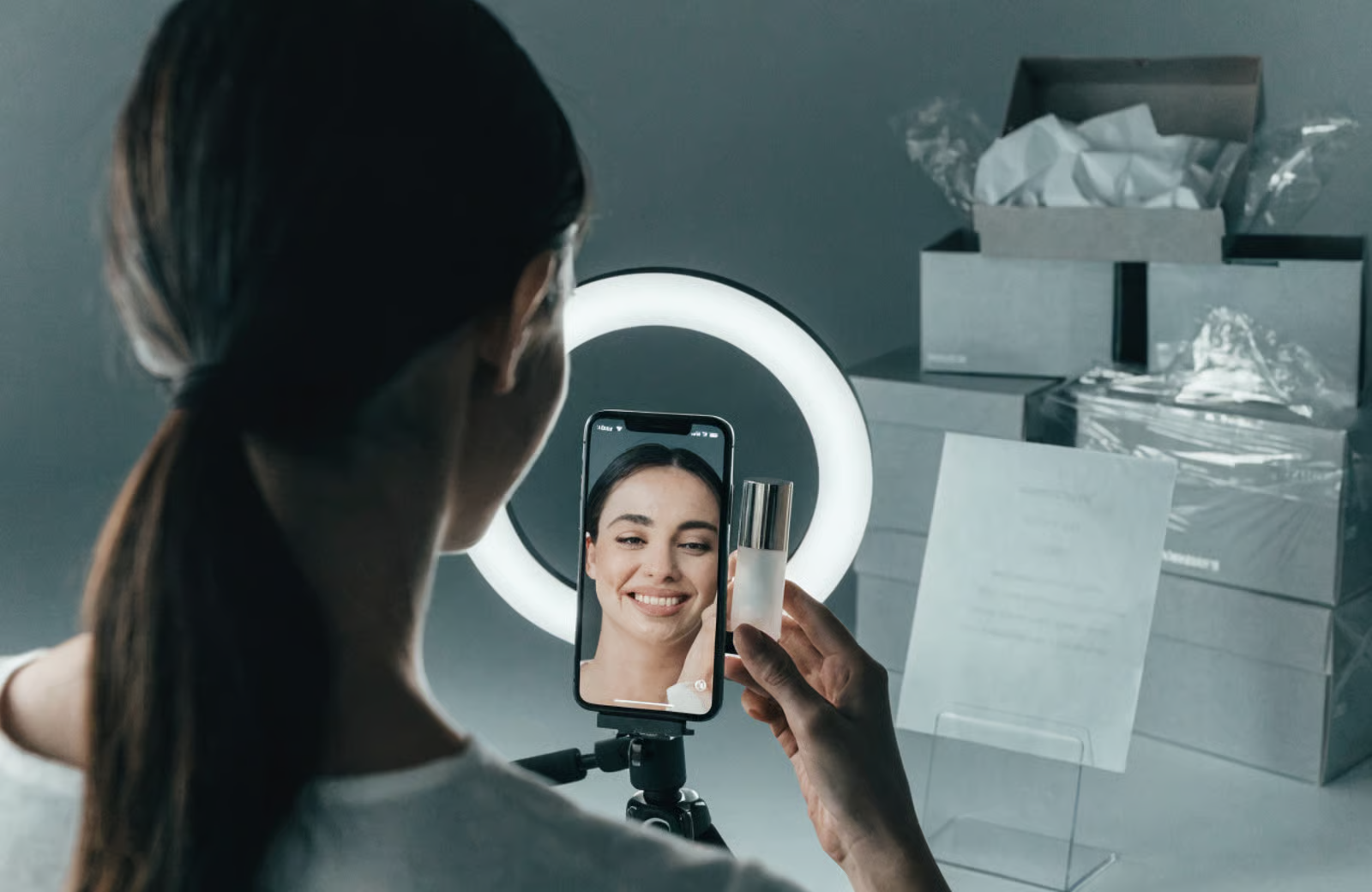
Brands “seed” hundreds of creators knowing enough will post glowing, unprompted praise. The absence of a paycheck becomes the marketing asset.
The Algorithm Is Rooting for the Hype
It is not only the brands doing this. The platforms themselves quietly reward enthusiasm. A glowing, high energy “you need this” video gets more reach than a measured “it was fine, here are two flaws” video, because excitement drives watch time and shares. So creators learn, often without ever deciding to, that positivity performs and nuance dies quietly. Over time the whole feed tilts toward hype, and honest ambivalence becomes almost economically irrational to post. The system is not built to reward the truth. It is built to reward the sale.
Genuinely Honest Creators Do Exist
None of this means every recommendation is a lie or that every creator is a sellout. Plenty of people in this space have real integrity, and have turned down more money than you would believe to keep it. The good ones are usually easy to spot once you know the tells. They disclose clearly and without burying it in a wall of hashtags. They criticize things, including things they were sent for free. They will happily tell you a product did not work for their hair or skin type. And they do not treat every new launch as the best thing they have ever tried, because nobody's genuine opinion actually looks like that.
What to Do About It
You do not need to become a cynic who trusts nothing. You just need to watch with your eyes open. Assume gifting even when there is no ad label, because gifting almost never gets disclosed the way paid posts do. Notice whether a creator ever says anything negative, about anything at all, because someone who only ever loves things is not reviewing, she is selling. Trust the people who show you the flaws. And when you feel that sudden pull to buy something because a stranger online seemed so certain, pause long enough to ask who profits if you do. Usually the answer is sitting right there in the bio, just under the link.
Someone who only ever loves things is not reviewing. She is selling.